 History
Burgas Guide
Writing about Burgas and the Black Sea coast: places to see, nature, history, culture and everyday life.
18 articles
History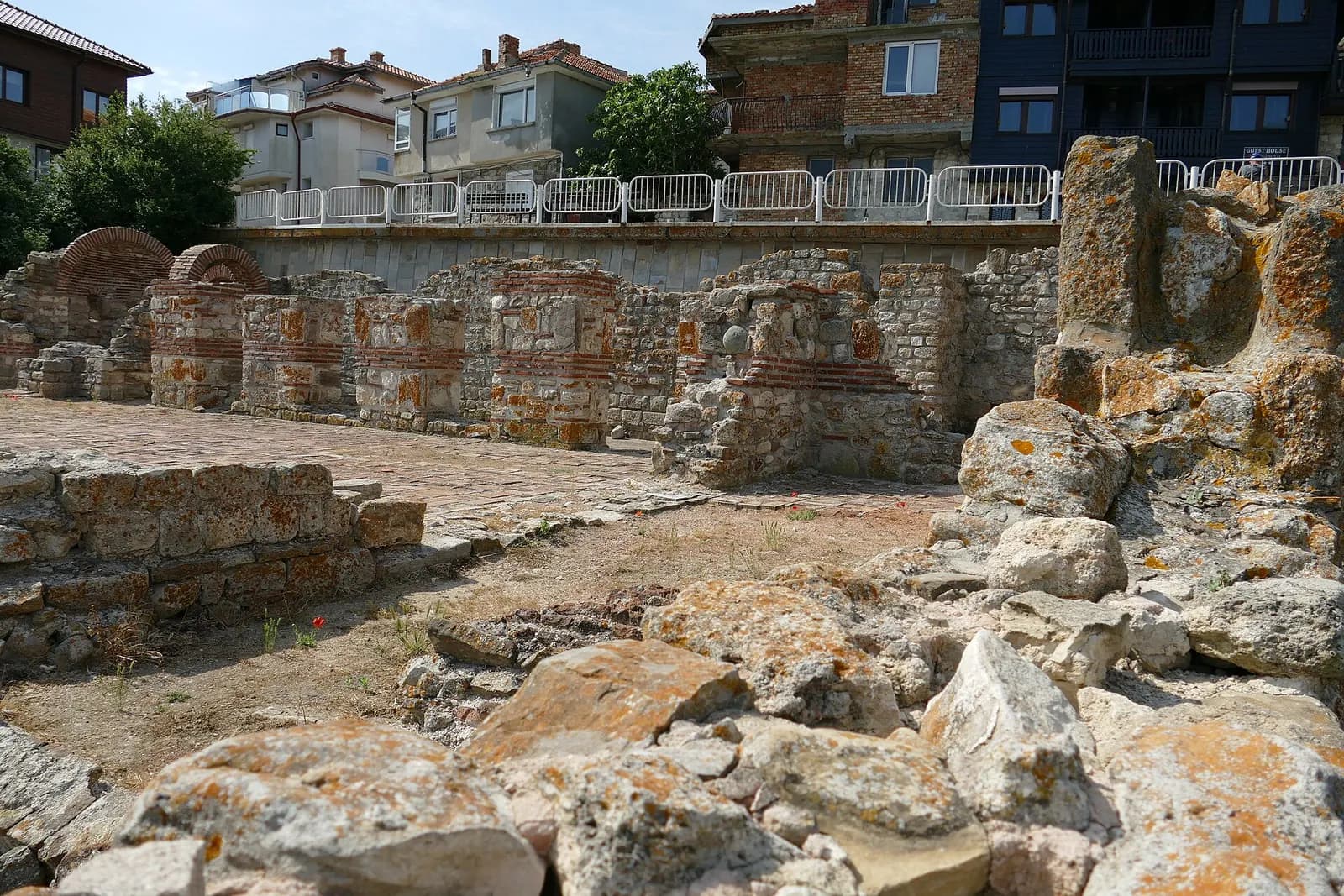 History
Mesembria: The Story of an Ancient City with Two Harbours
The ancient name of Nesebar is Mesambria; from a Thracian settlement to a Dorian colony, from a Roman city to Byzantine walls, it was a city with two harbours and a rival of Apollonia.
8 October 2026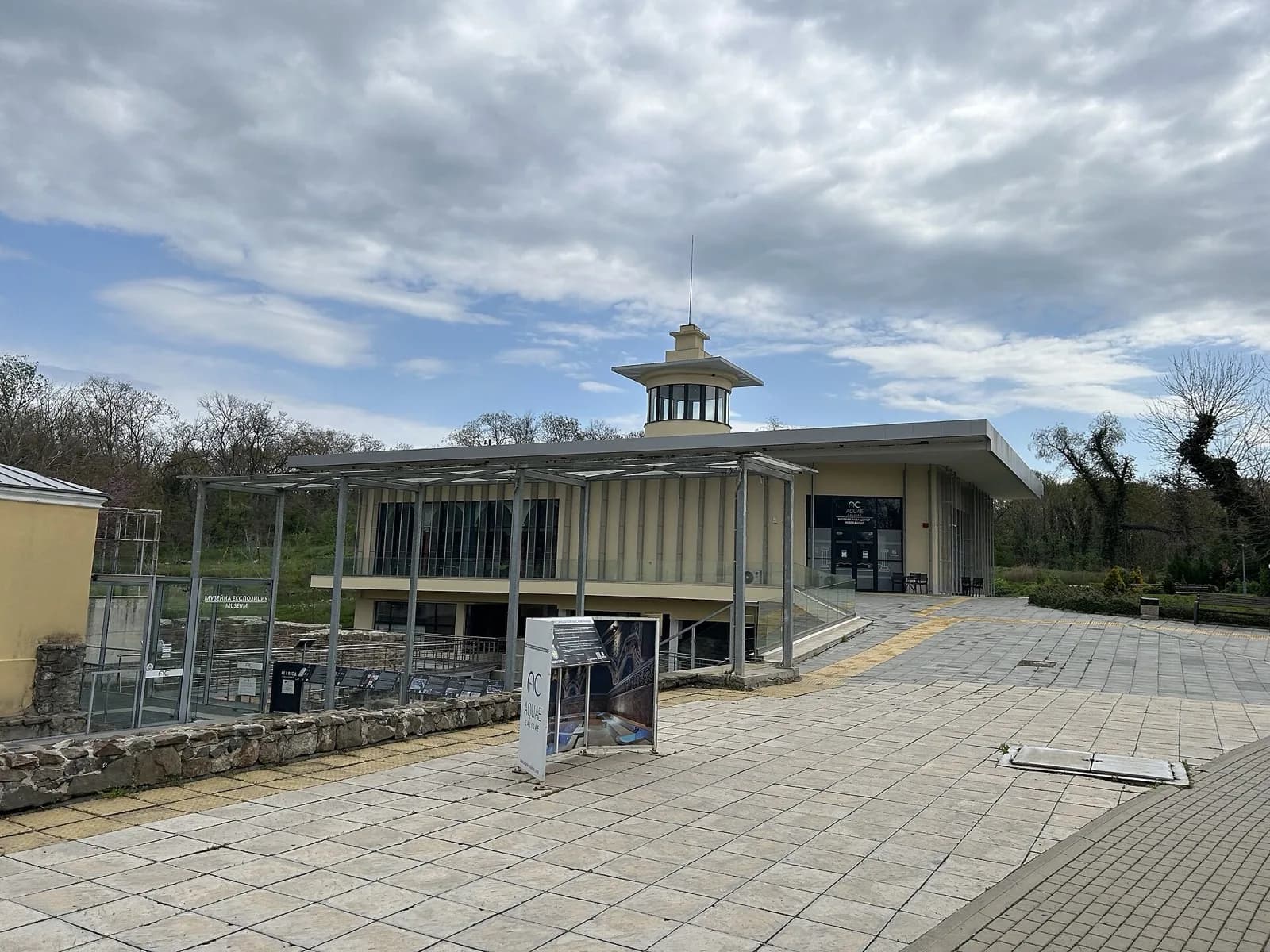 History
Aquae Calidae: A Thermal Spring Thousands of Years Old
On the border of the Vetren and Banevo neighbourhoods of Burgas, Aquae Calidae is an ancient settlement that gathers Thracian, Roman, Byzantine, Bulgarian and Ottoman layers around hot mineral springs; today it can be toured as a restored museum complex.
12 August 2026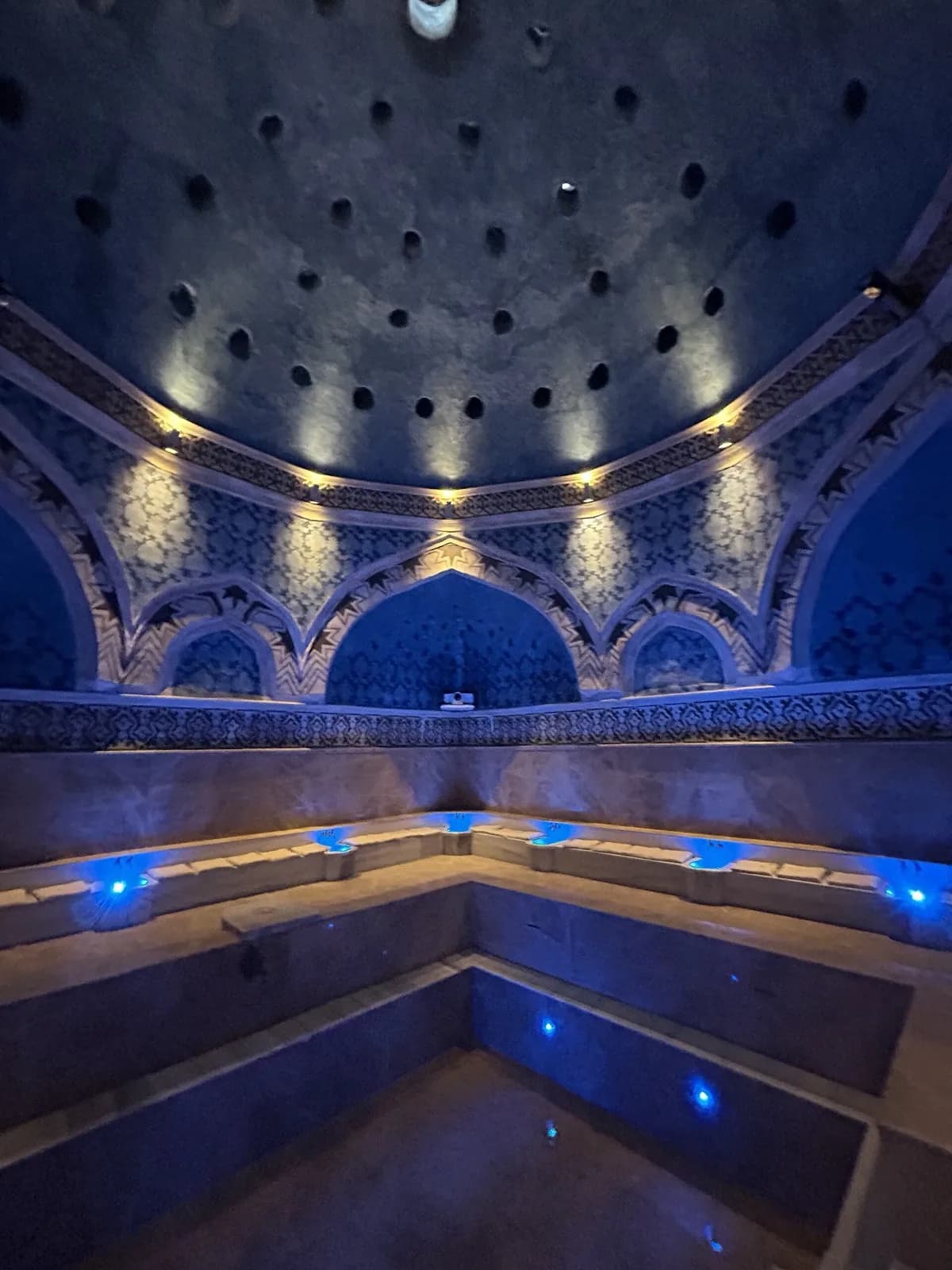 History
The Ottoman Bath at Aquae Calidae
At Aquae Calidae, about 15 km northwest of Burgas, an Ottoman bath was built in 1562 over the Roman pools by order of Sultan Suleiman I.
12 August 2026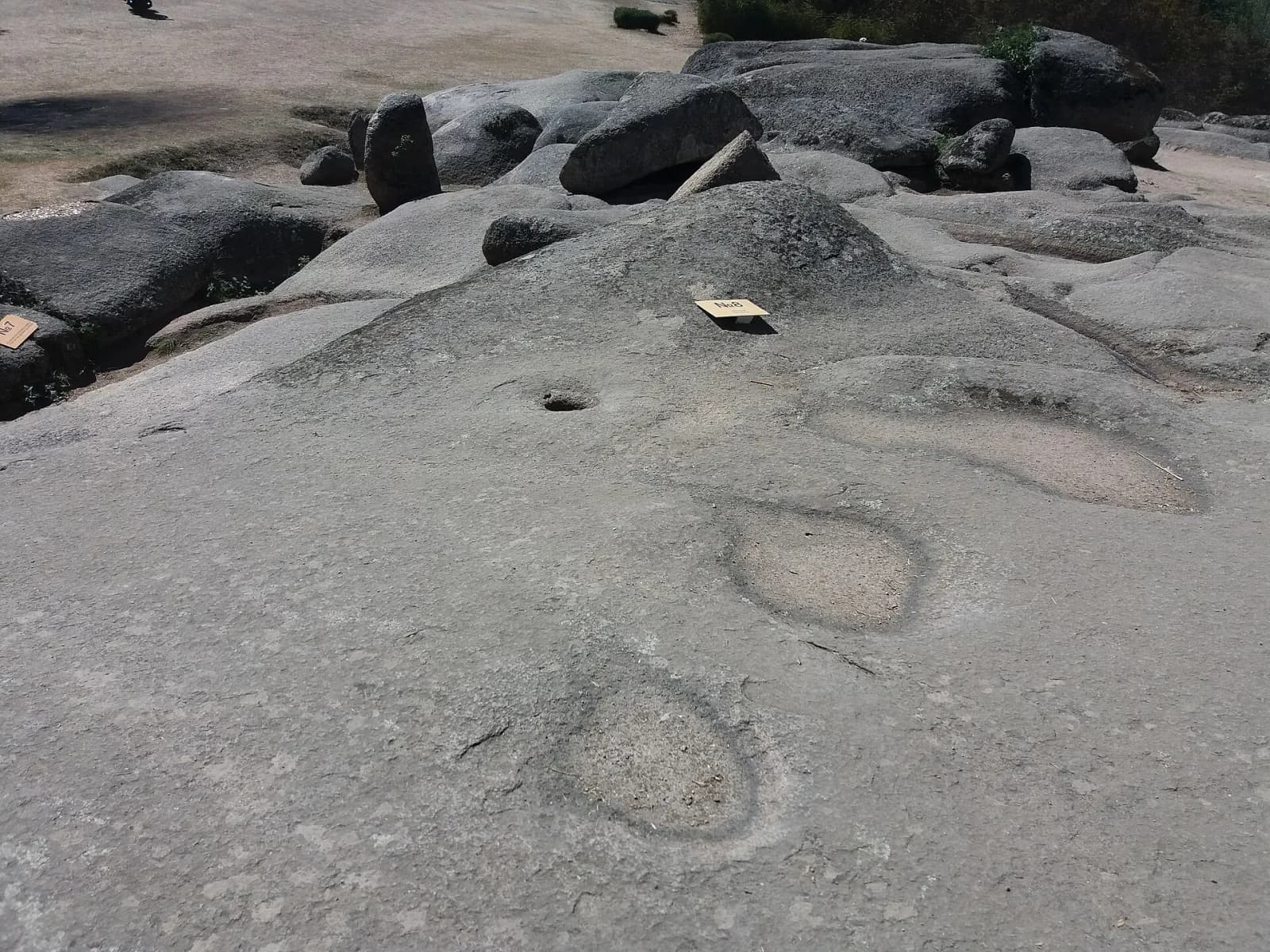 History
Beglik Tash: The Thracian Rock Sanctuary
A Thracian rock sanctuary near Primorsko, used from the middle of the 2nd millennium BC to the beginning of the 4th century AD; excavations began in the early 2000s.
12 August 2026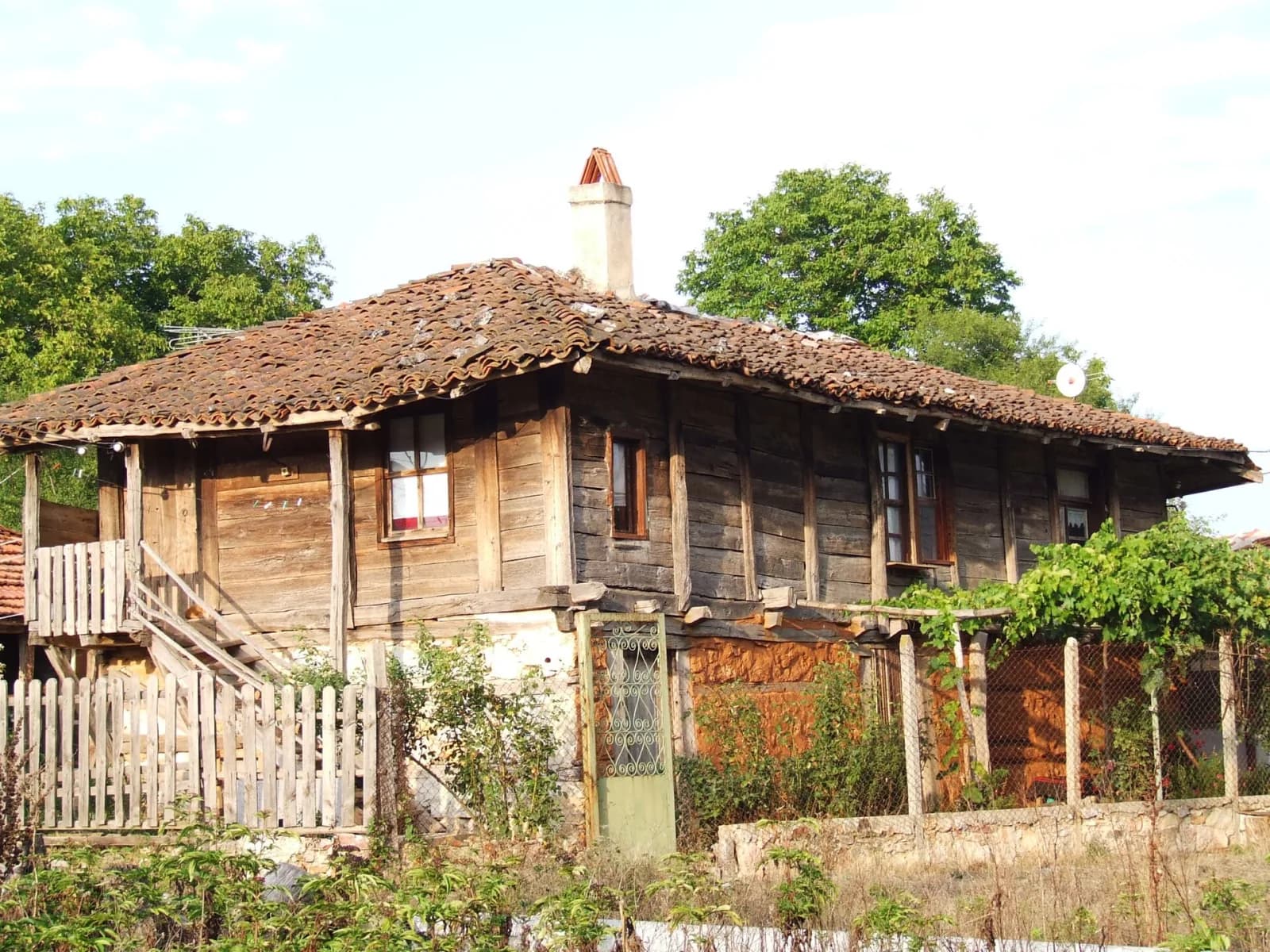 History
Brashlyan: A Protected Village of Strandzha
Brashlyan, near Malko Tarnovo, is a village within the boundaries of Strandzha Nature Park whose whole area has been an architectural and historical conservation area since 1982.
12 August 2026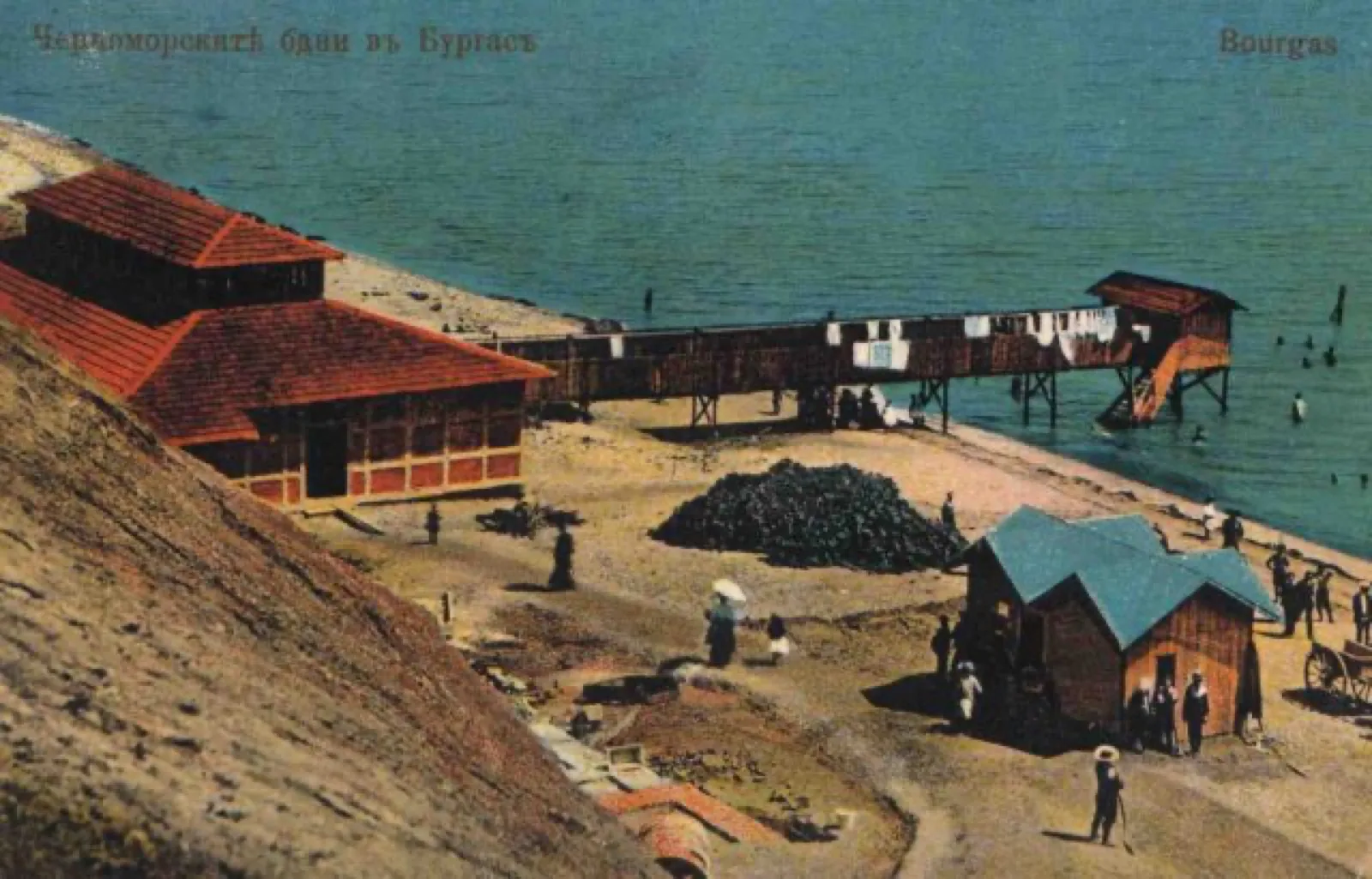 History
The History of the Burgas Beach: The Sea Season a Hundred Years Ago
The habit of the sea season in Burgas can be read from the traces of the seafront layout begun by the 1891 plan, the narrow-gauge train of the 1920s, and the sea baths, pier and casino of the 1930s.
12 August 2026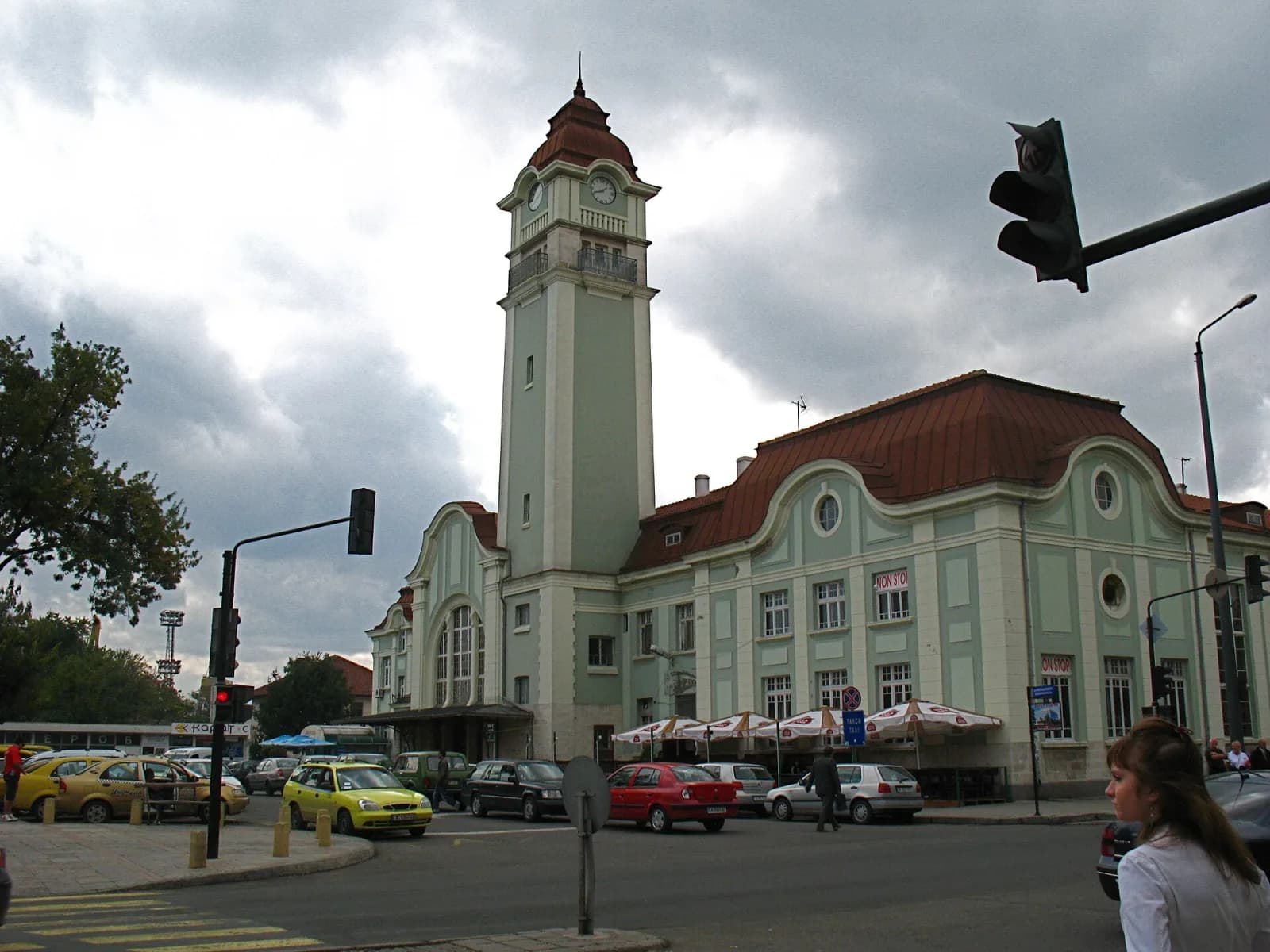 History
Burgas Railway Station: The End of the Line
At the end of the Aleksandrovska pedestrian street, a few steps from the sea, stands Burgas Central Station: its 1903 design is shared with Varna station, and it is the last stop of the line, which ends at the sea.
12 August 2026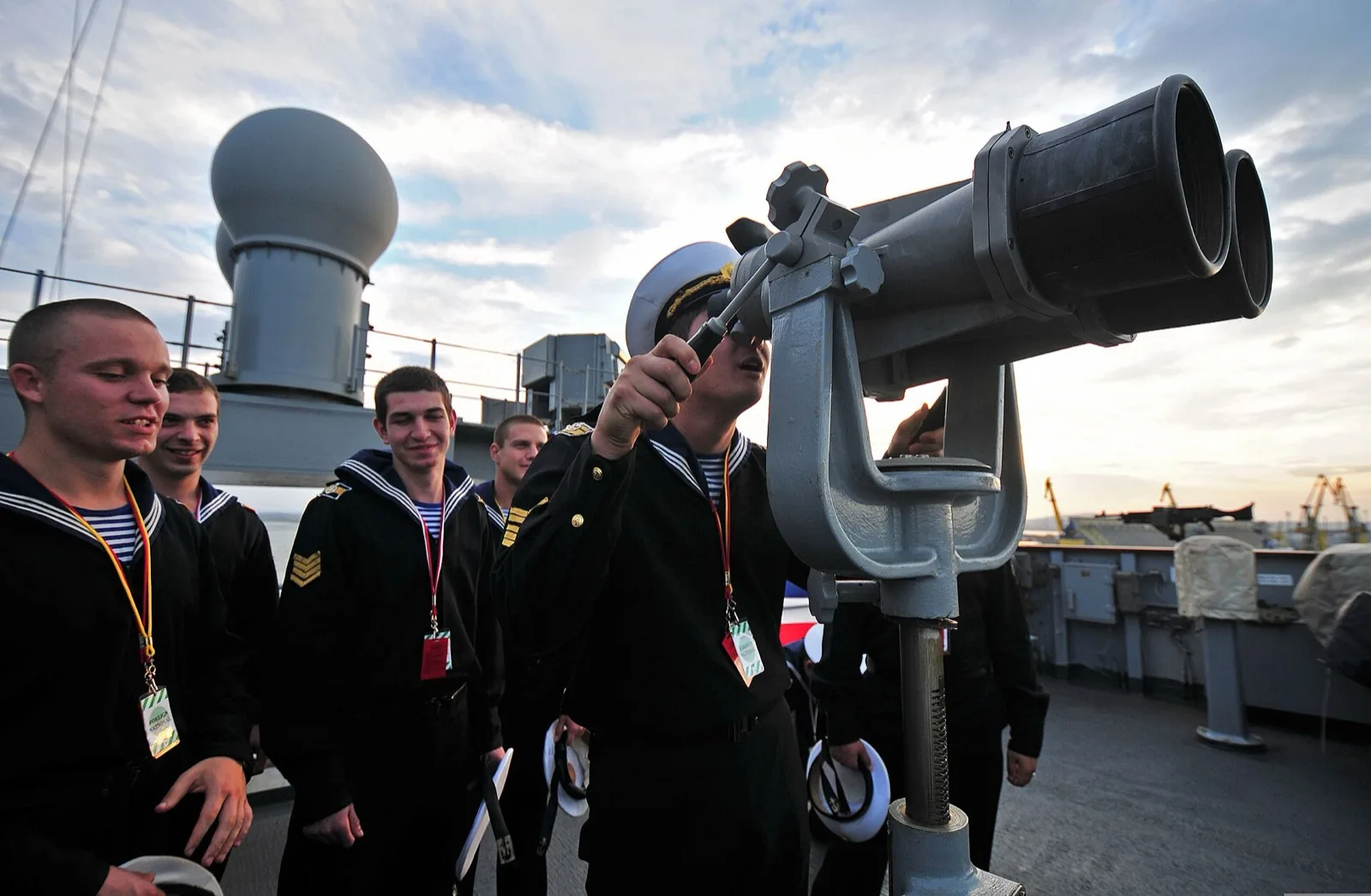 History
Burgas and Its Maritime Tradition
From the Ottoman-period port of Pyrgos to the Chengene Skele fishing shelter, from the Monument to the Sailor to the rowing tradition, Burgas’s seafaring is interwoven with trade, shipbuilding and fishing.
12 August 2026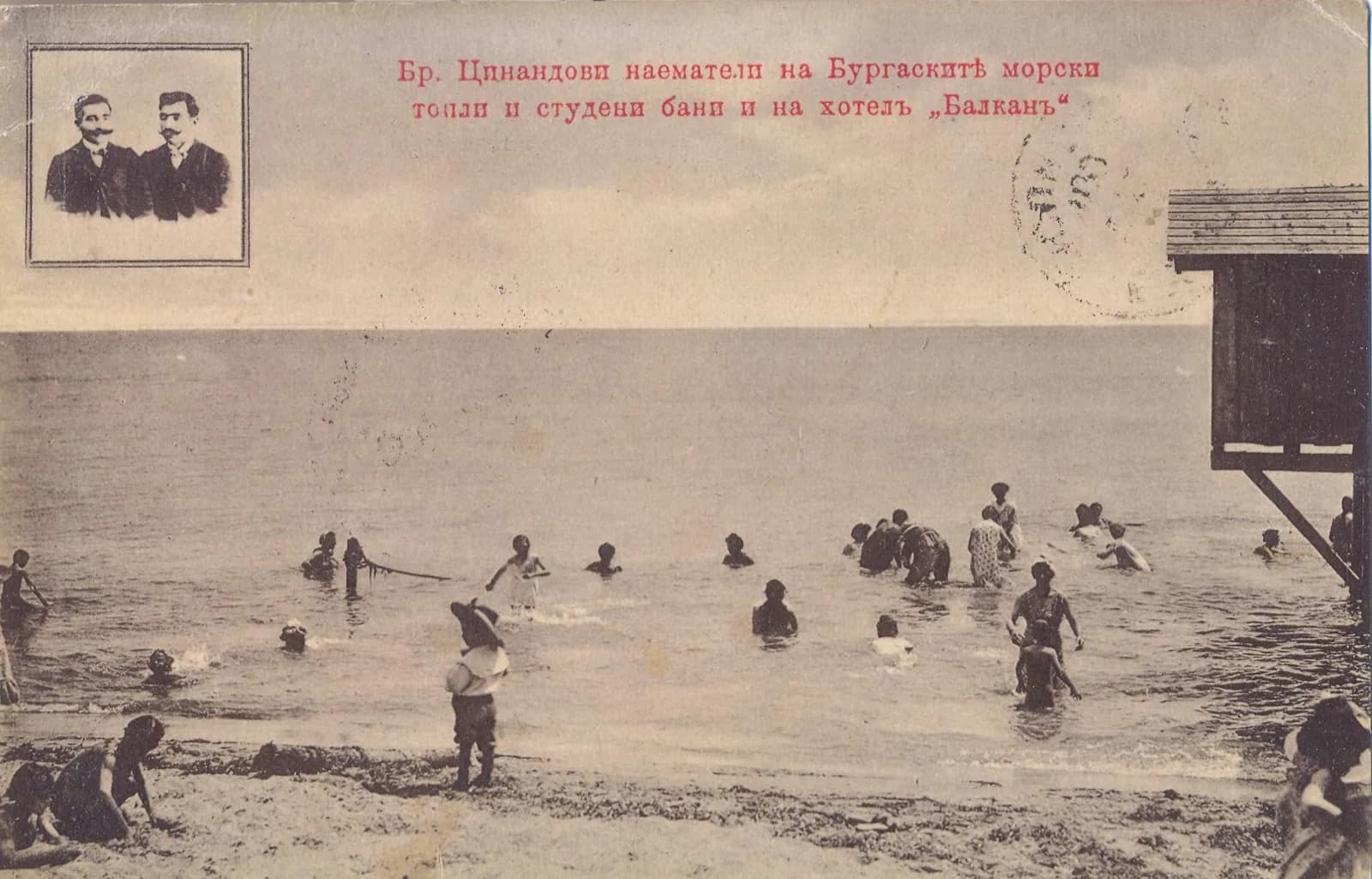 History
A Short History of Burgas: From a Fishing Village to a Port City
From Neolithic settlements to Pyrgos, from the liberation in 1878 to the port opened in 1903: Burgas grew from a small landing place into a trading city.
12 August 2026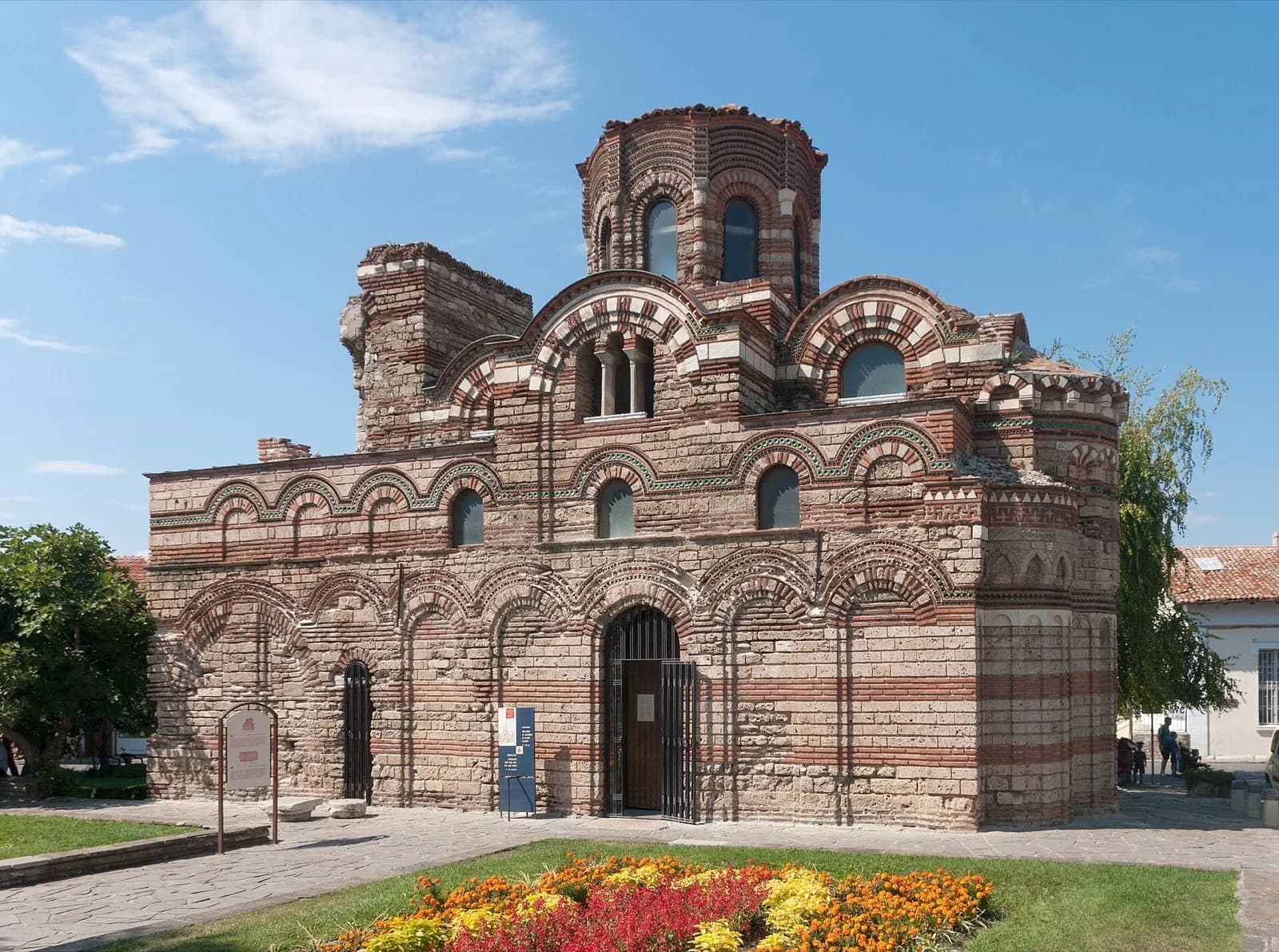 History
The Churches of Nesebar: The Medieval Language of Brick and Stone
Behind Nesebar’s entry on the UNESCO list in 1983 lie Byzantine and Bulgarian-period churches of brick-and-stone masonry, packed onto the old town peninsula.
12 August 2026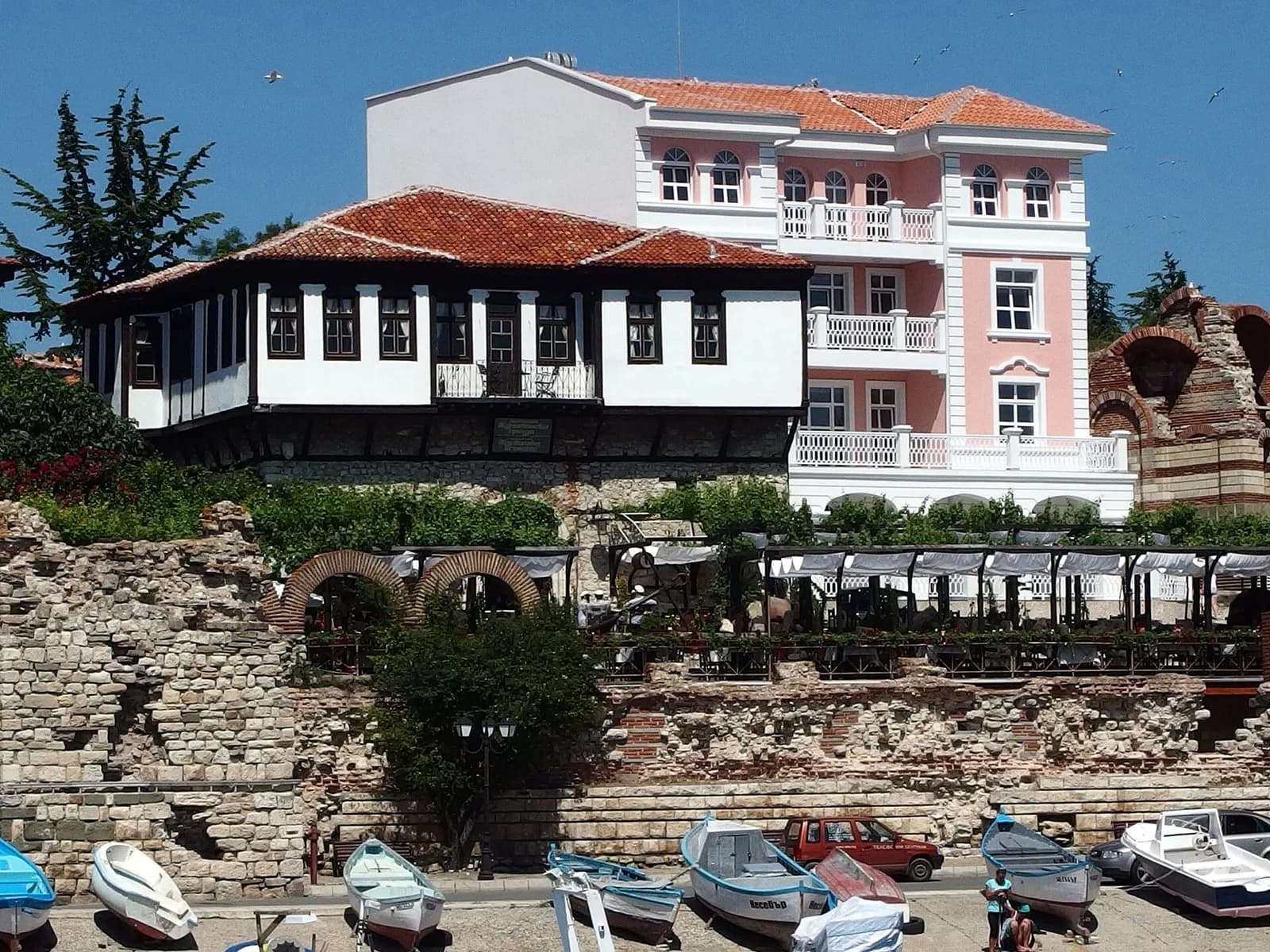 History
The Streets of Nesebar and the Black Sea Houses
Nesebar’s old town is special for its houses as much as for its churches: Revival-period houses typical of the Black Sea coast, with a stone ground floor and a timber-clad upper floor with an overhang, shape the street fabric of the peninsula that has been on the UNESCO list since 1983.
12 August 2026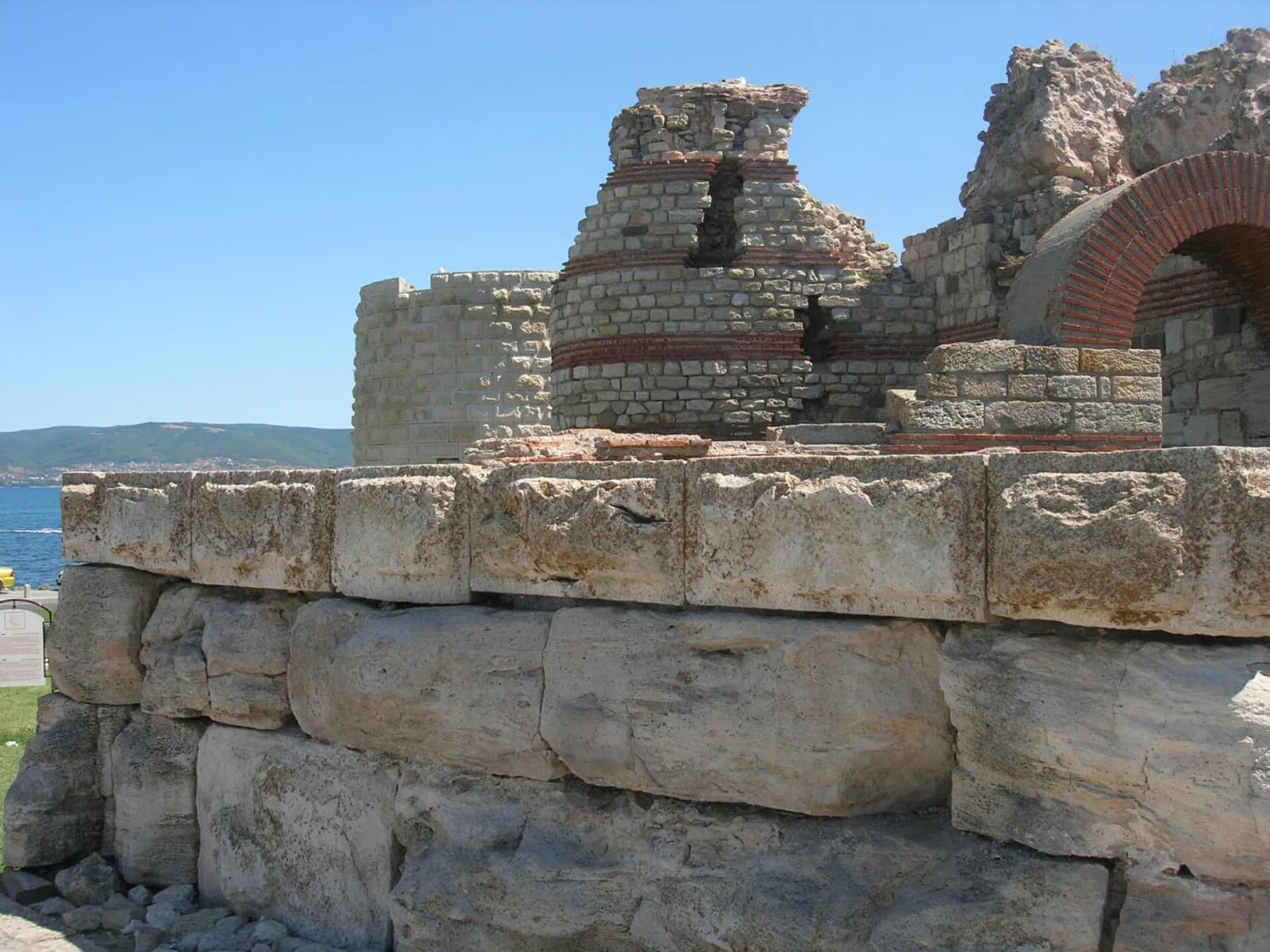 History
Nesebar Walls: The Gate of the Peninsula
The fortification remains at the entrance of the narrow isthmus connecting Nesebar to the mainland carry traces of a long defensive history stretching from a Dorian colony to the UNESCO list.
12 August 2026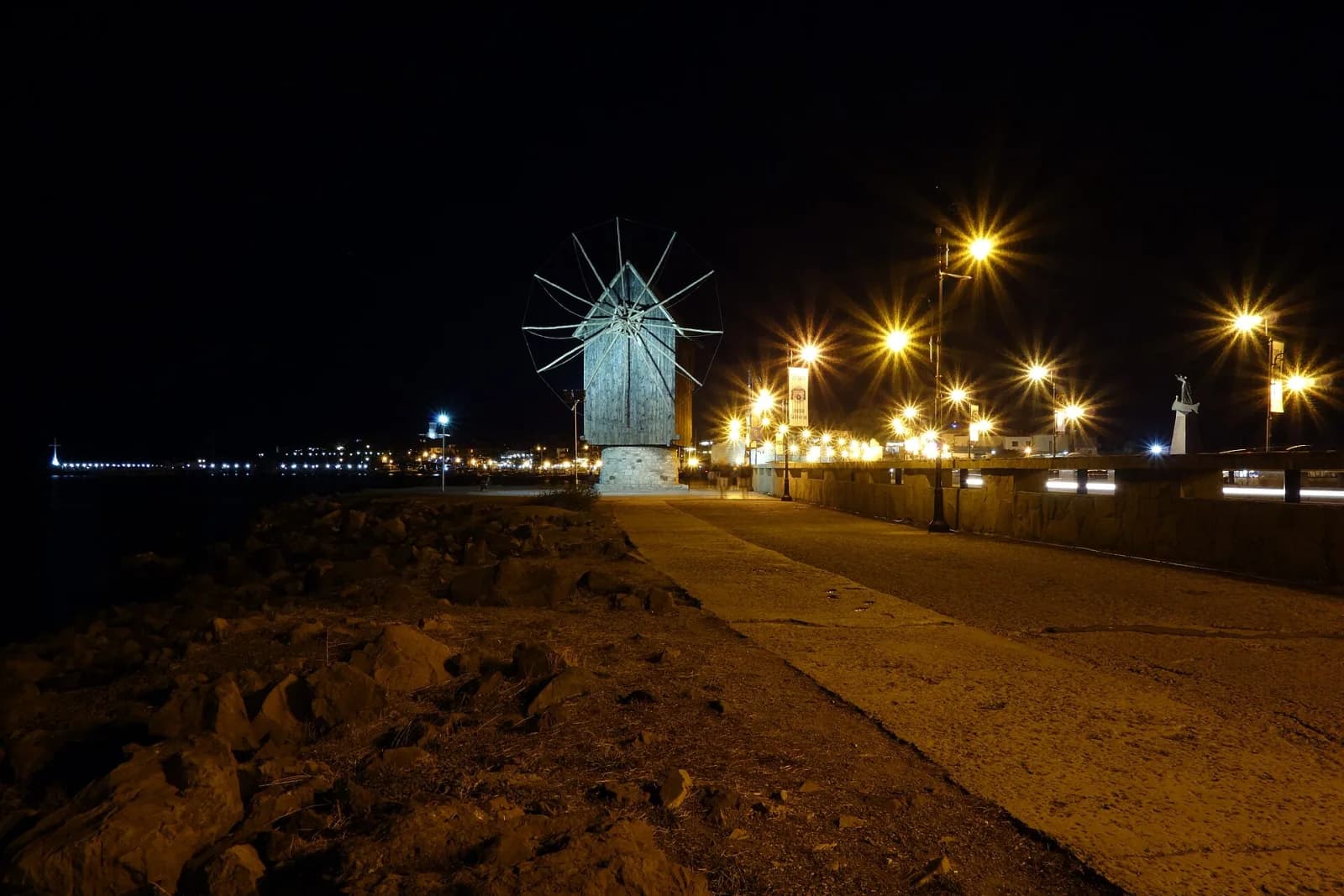 History
Nesebar Windmill: Symbol of the Isthmus
The wooden windmill standing in the middle of the roughly 400-metre isthmus that joins Nesebar to the mainland is not a working mill today; it is a well-known tourist sight at the entrance of the old town.
12 August 2026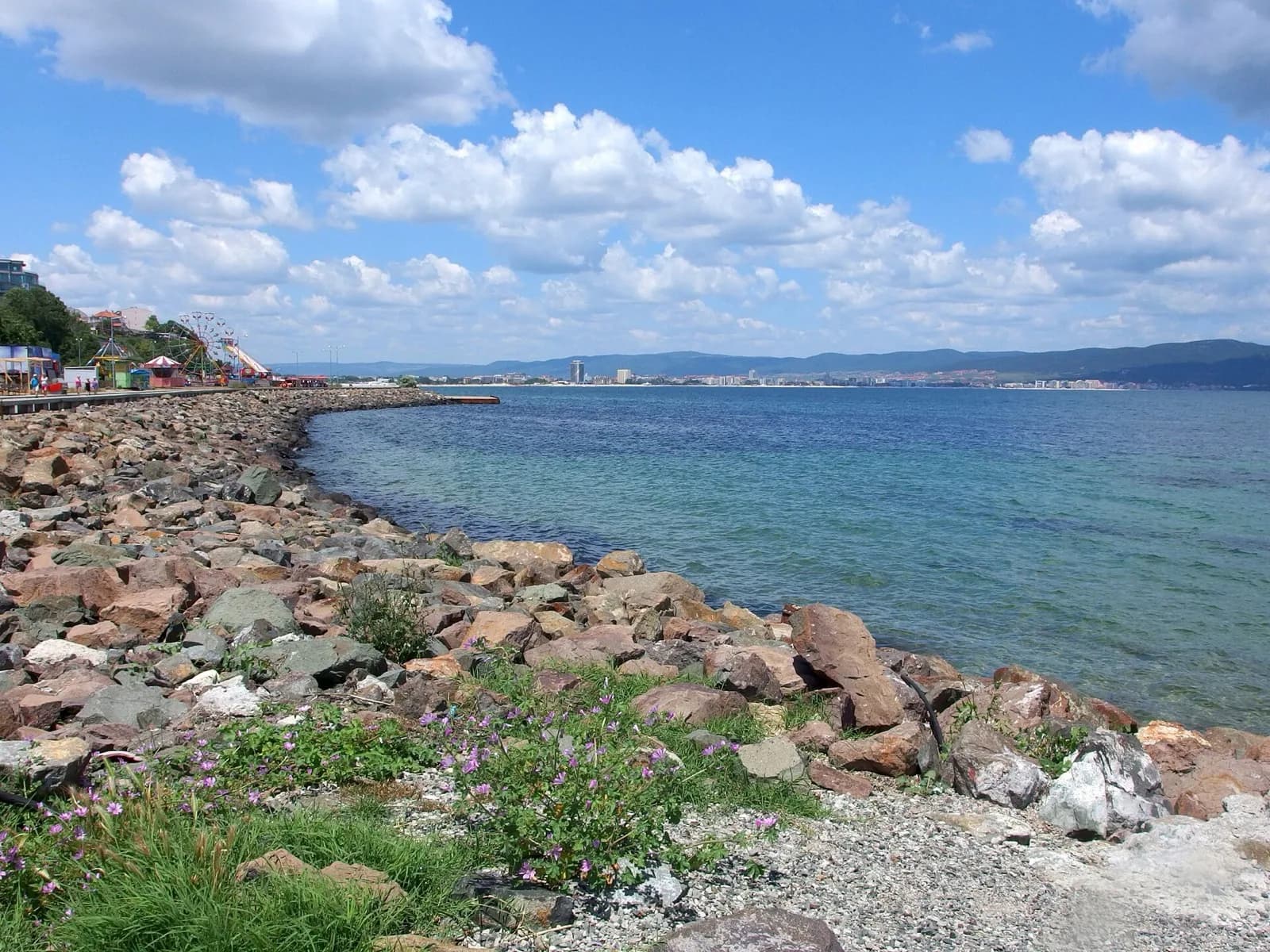 History
Nesebar: The UNESCO Heritage Peninsula of the Black Sea
A peninsula town about 35 km northeast of Burgas, joined to the mainland by a narrow isthmus; it has been on the UNESCO World Heritage List since 1983 and is known for its churches.
12 August 2026 History
The Monastery of St George in Pomorie
The Monastery of St George, which today lies within the town limits of Pomorie: with its holy-spring legend, 19th-century church and 18th–19th-century icons, it is one of the region’s well-known religious stops.
12 August 2026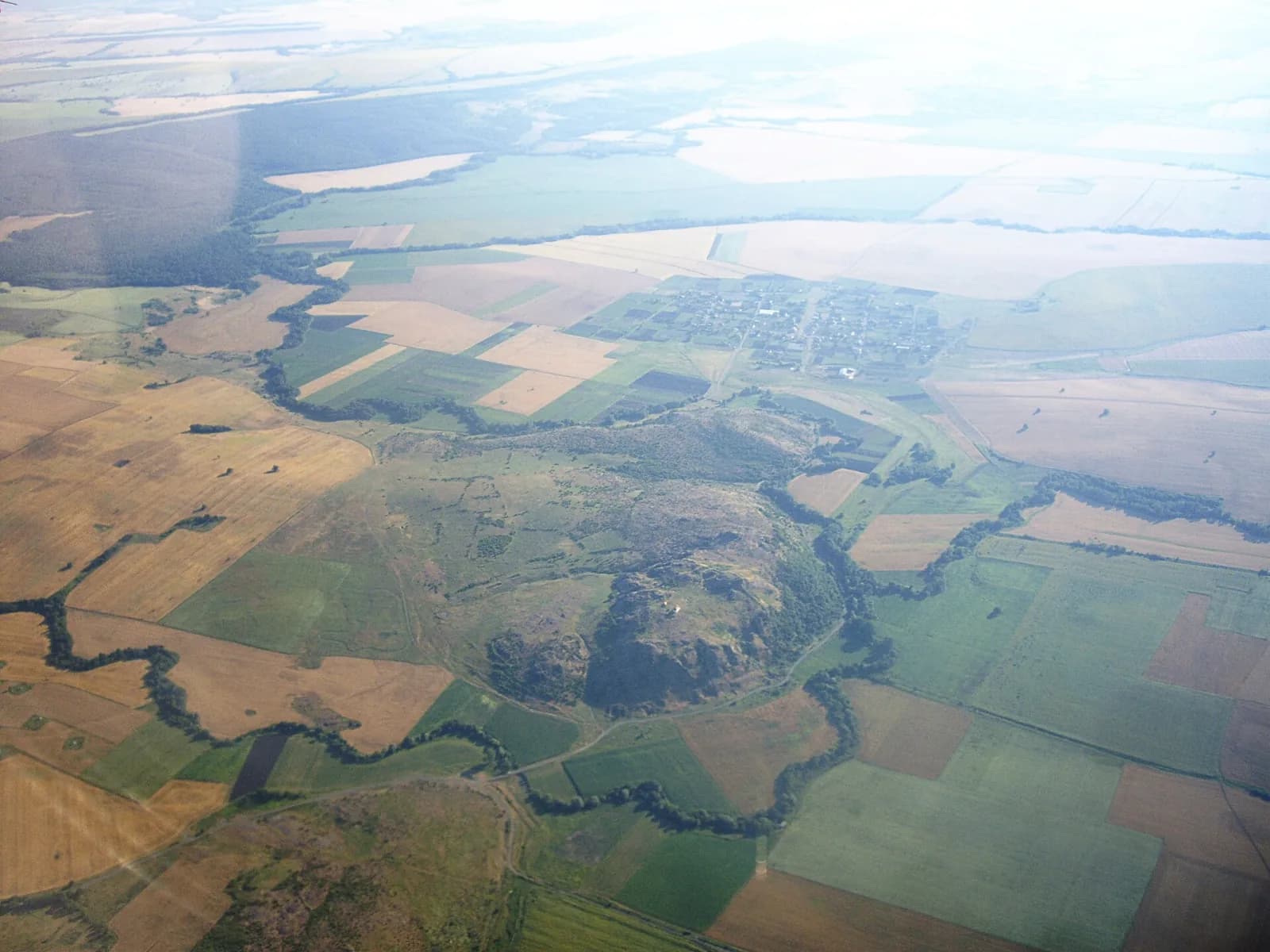 History
Rusokastro Fortress: The Hill Overlooking the Plain
The Rusokastro Fortress, west of Burgas, is known for its many-layered walls on a rocky hill and for the battle of 1332 in which the Bulgarian and Byzantine emperors met.
12 August 2026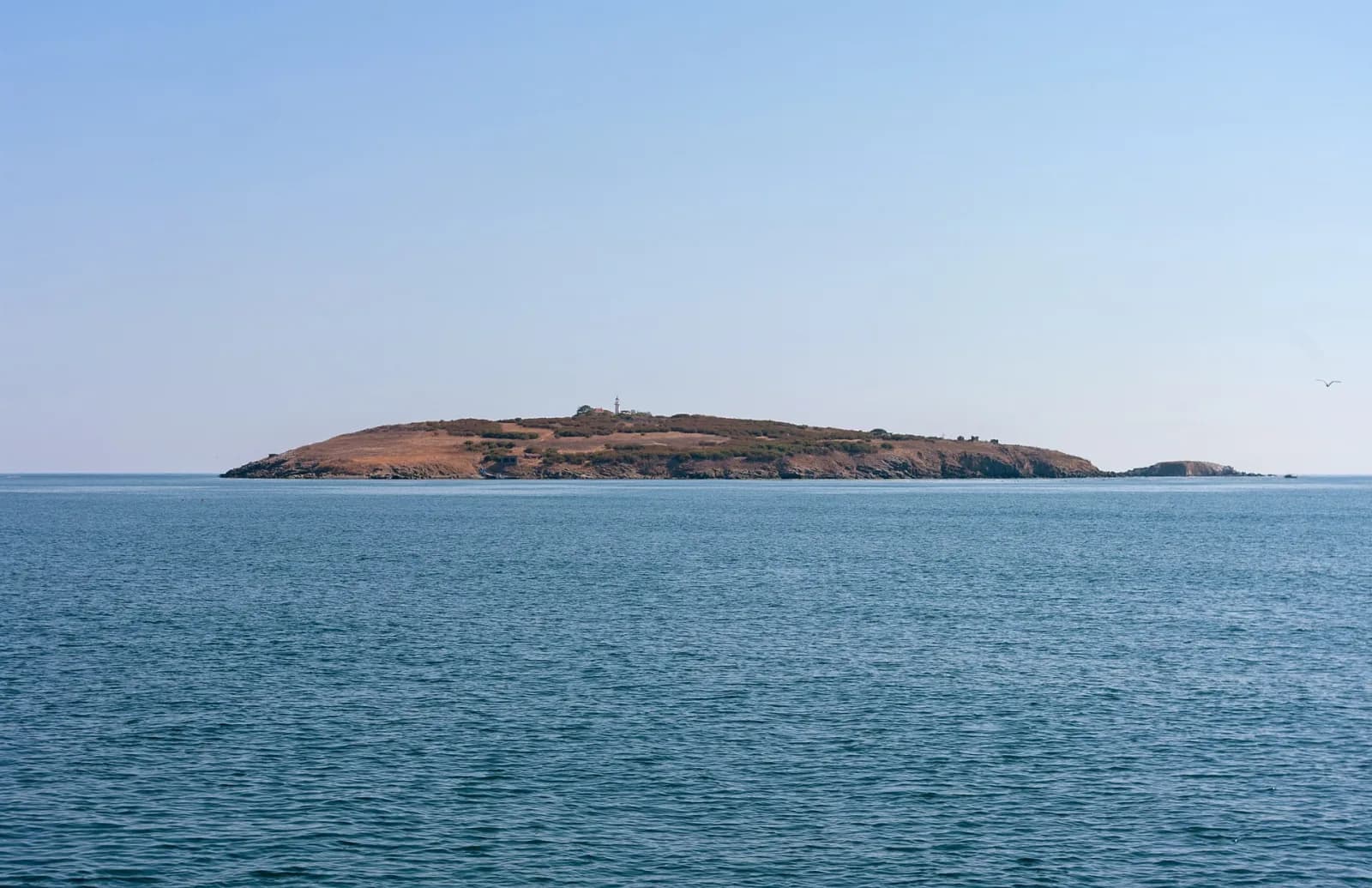 History
St Ivan Island: The Rock off Sozopol
Sveti Ivan, off Sozopol, is according to Wikipedia (en) the largest island of Bulgaria in the Black Sea; it is known for its layered past from a Thracian sanctuary to a monastery and for the remains reported in 2010 to be those of John the Baptist.
12 August 2026