 Nature & Birdwatching
Burgas Guide
Writing about Burgas and the Black Sea coast: places to see, nature, history, culture and everyday life.
17 articles
Nature & Birdwatching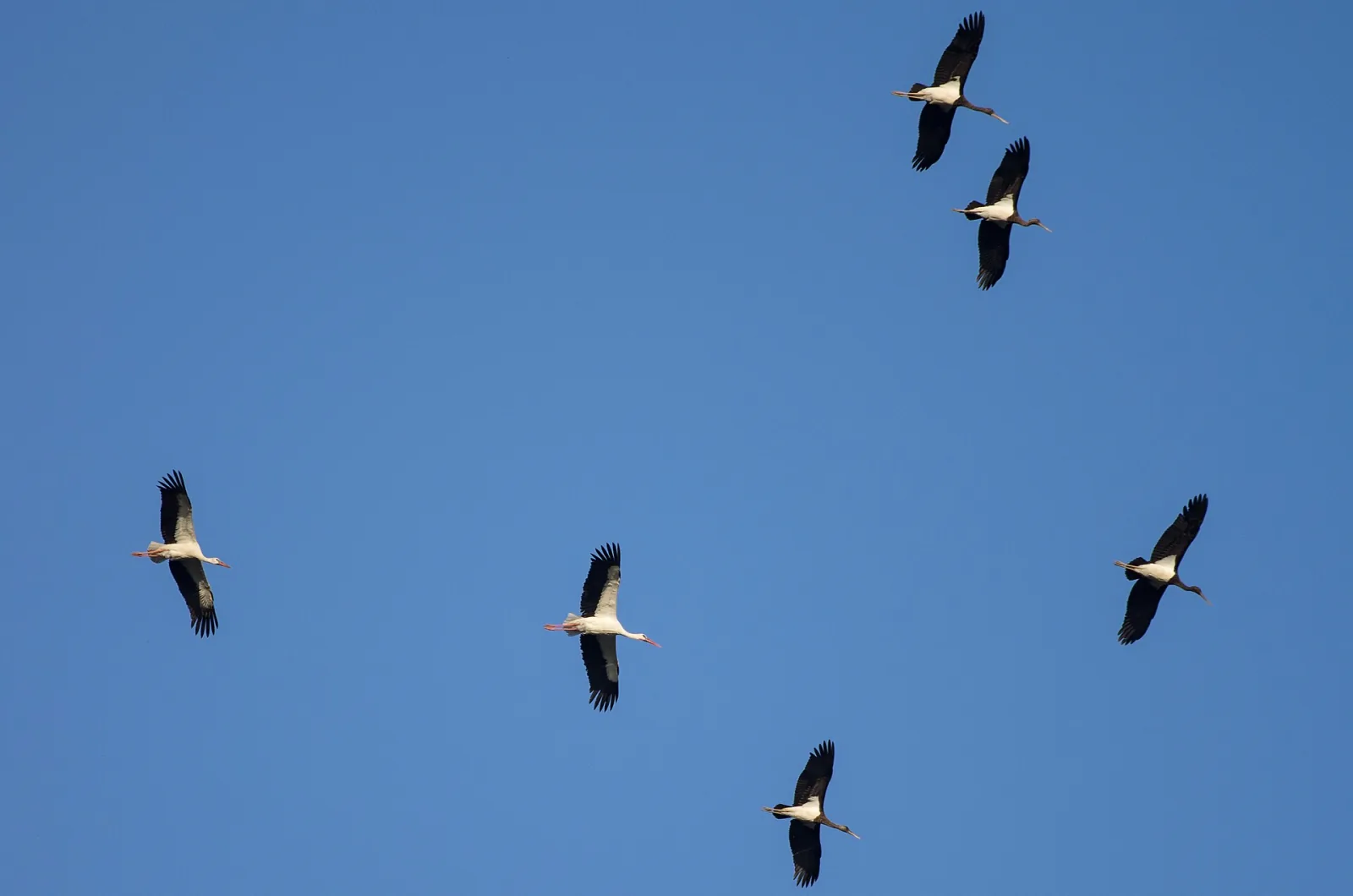 Nature & Birdwatching
Burgas Season by Season: What to Do and When
Bird migration in spring and autumn, the sea in summer, a quiet coast in winter: a general framework for reading Burgas by the rhythm of the seasons rather than the calendar.
6 October 2026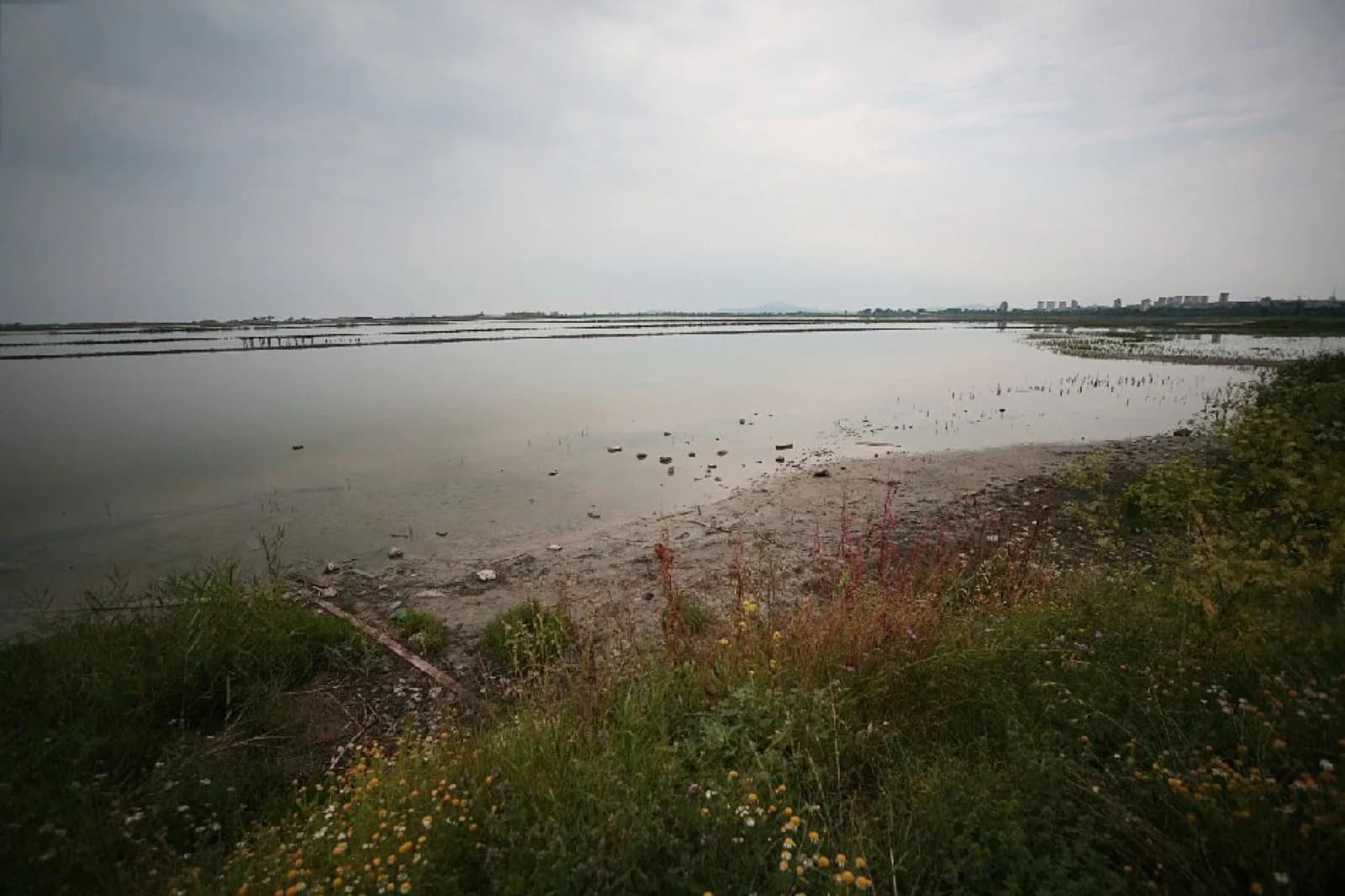 Nature & Birdwatching
Lake Atanasovsko: Land of Flamingos and Salt
Lake Atanasovsko, north of Burgas, is a shallow lagoon where salt has been produced since 1906 and a protected area home to more than 300 bird species; flamingos are among its newer guests.
12 August 2026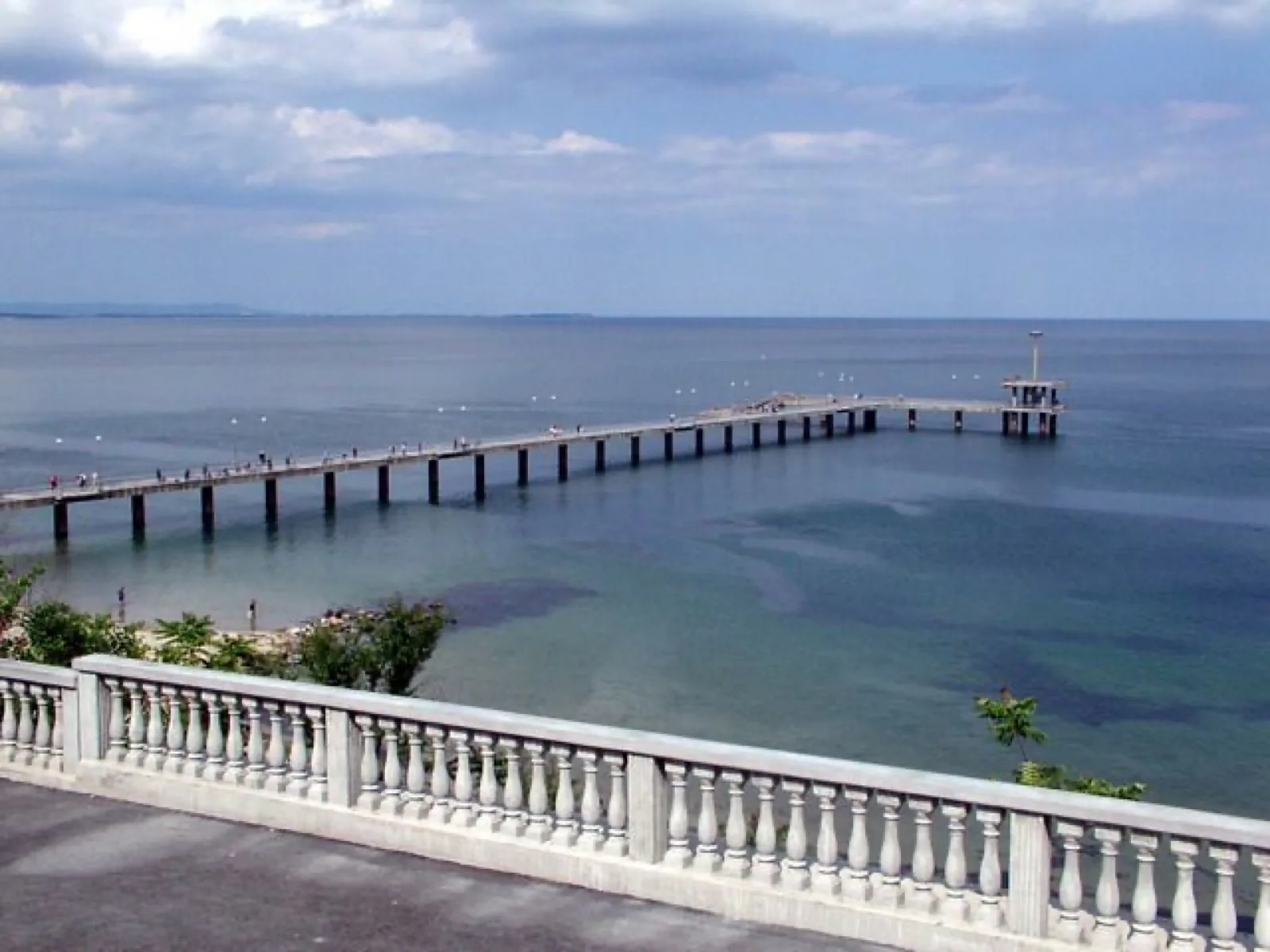 Nature & Birdwatching
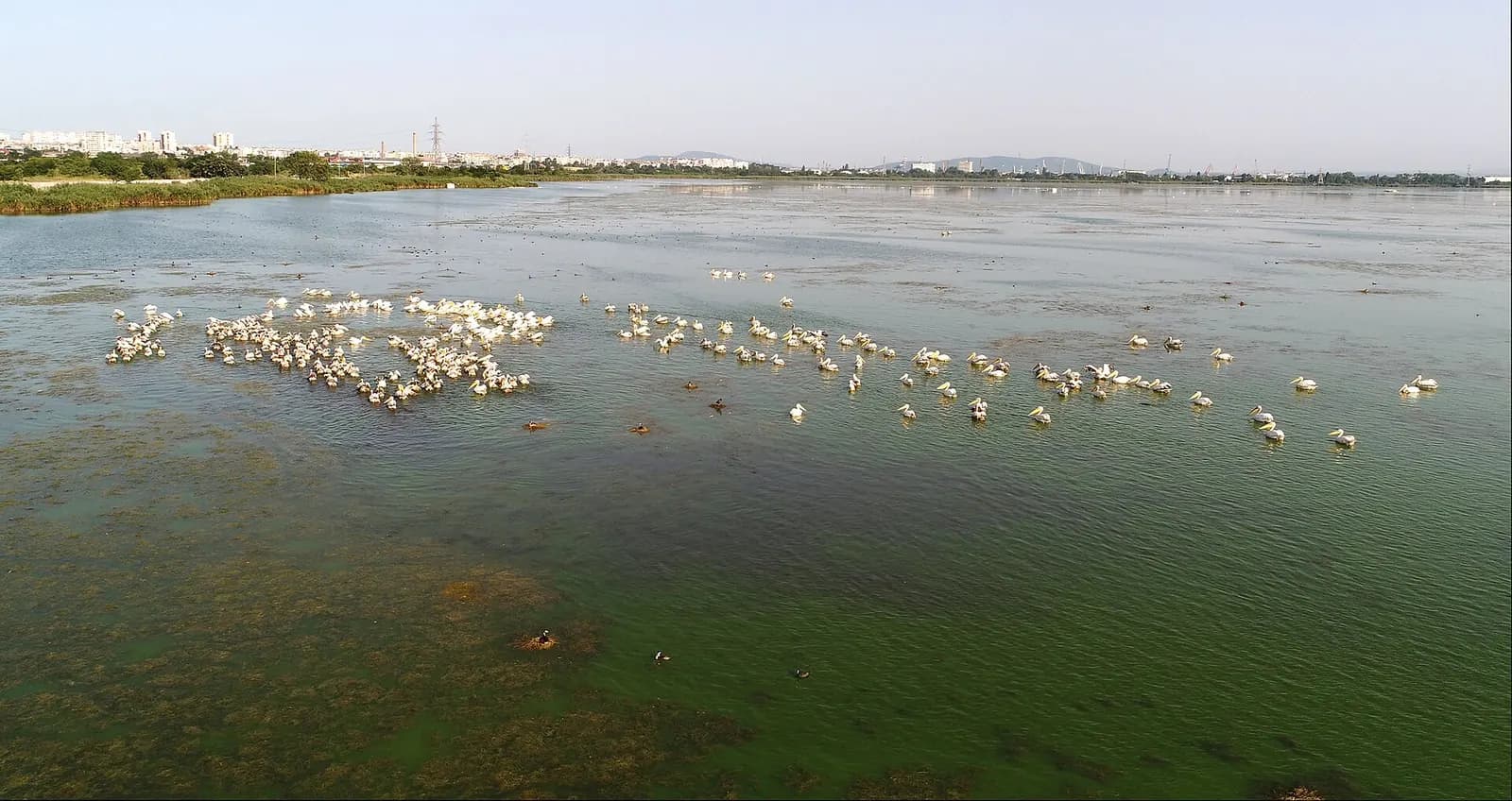
Burgas Bay and the Three Lakes: A City Surrounded by Water
According to Wikipedia, Burgas Bay is the largest bay on the Bulgarian coast; the cluster of lakes around it and the Via Pontica migration route place the city in the middle of a network of wetlands.
12 August 2026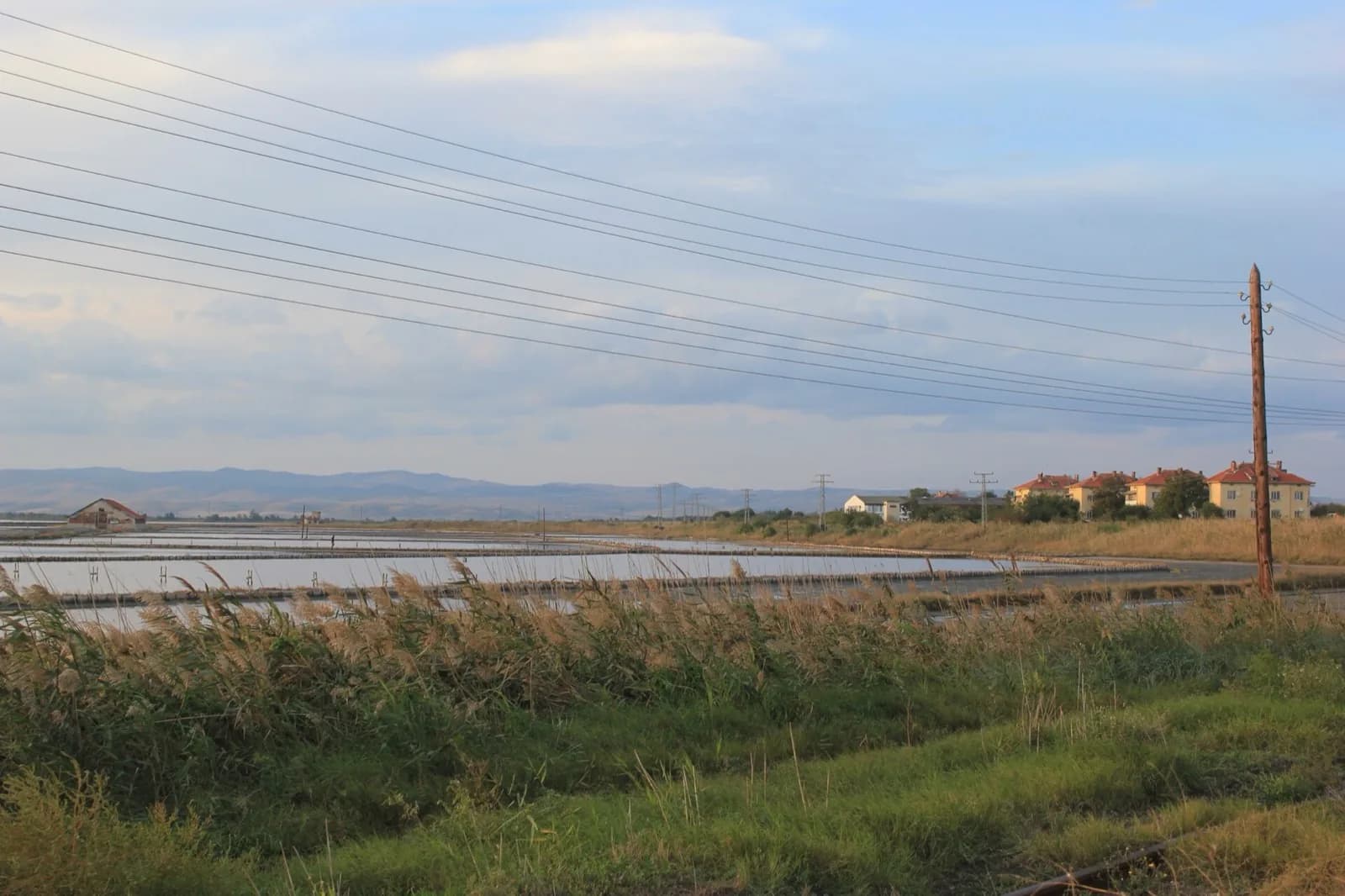 Nature & Birdwatching
The Burgas Salt Pans: From Sea Water to Salt
At Lake Atanasovsko, north of Burgas, salt has been obtained since 1906 by evaporating sea water in shallow pools; the northern half of the lake is a nature reserve.
12 August 2026 Nature & Birdwatching
The Sea Garden’s Plant Collection and History
Burgas’s Sea Garden was born in the 1891 development plan and, under the gardener Georgi Duhtev after 1910, turned into a collection park gathering plants from four continents.
12 August 2026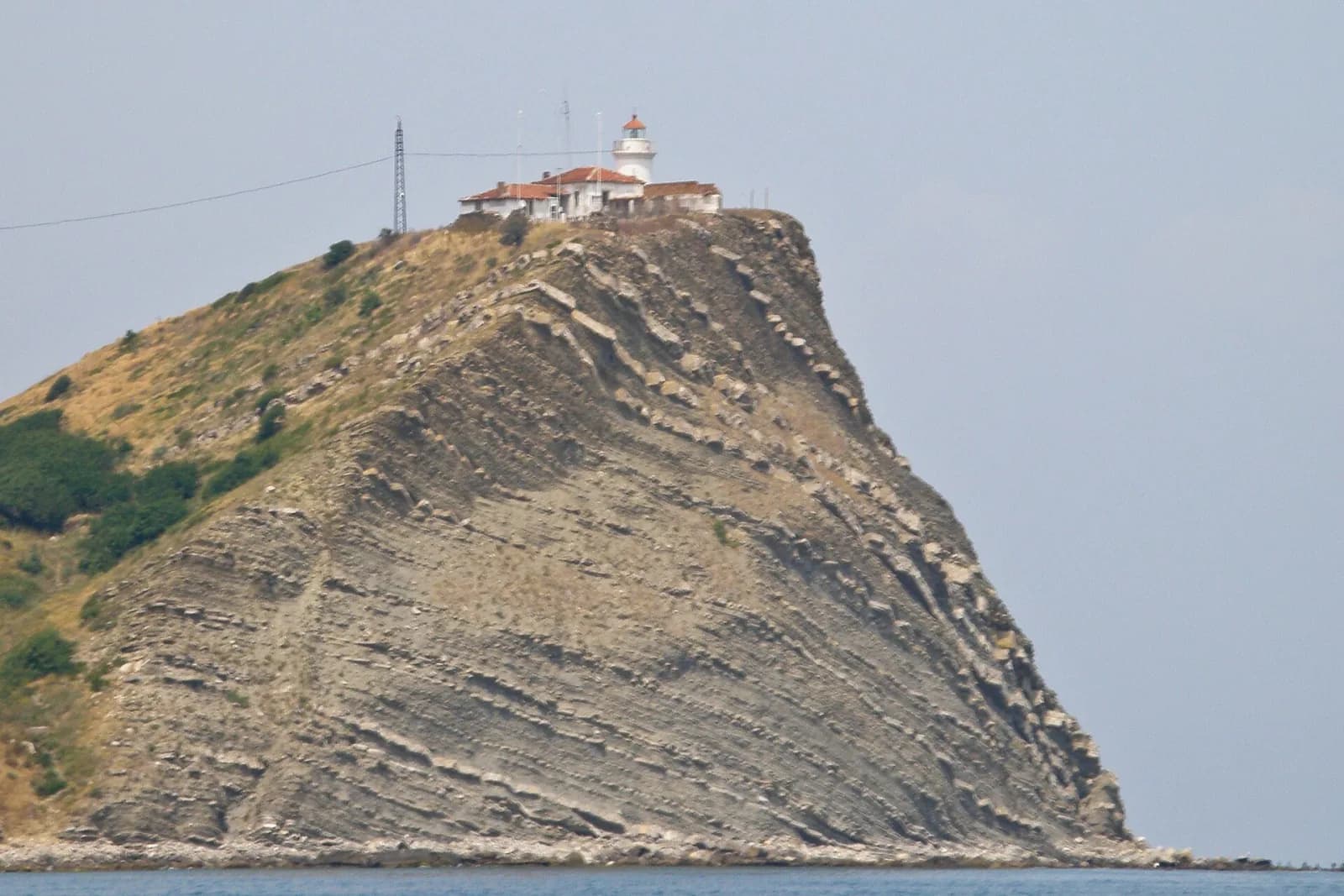 Nature & Birdwatching
Cape Emine: Where the Mountains Descend into the Sea
Cape Emine, where the Stara Planina descends to the Black Sea, is the conventional boundary dividing the coast into North and South Black Sea and the last stop of the Kom–Emine hiking trail.
12 August 2026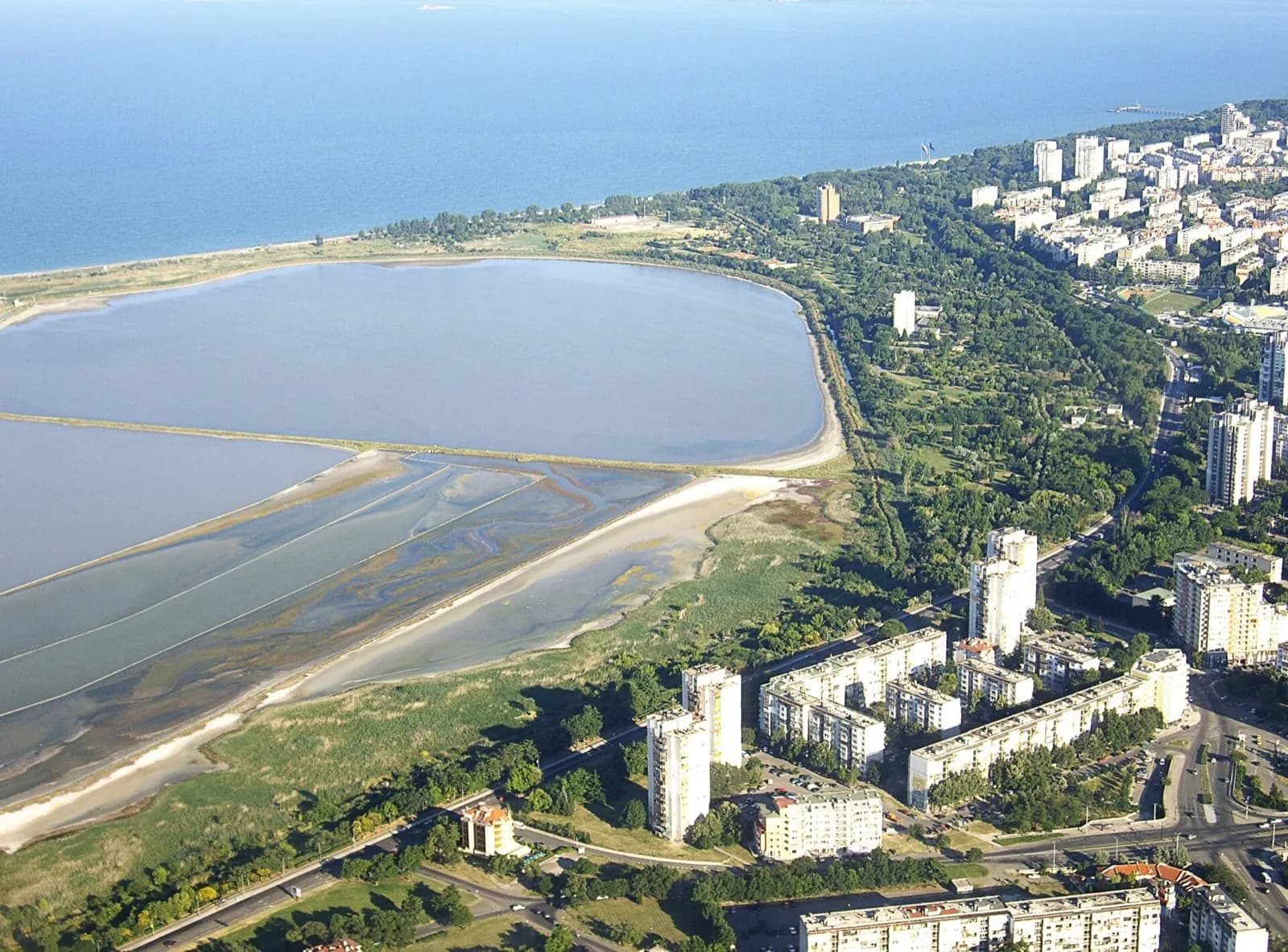 Nature & Birdwatching
Ezeroto Park: The New Green Space on the Lakeshore
Ezeroto is a park that is the natural northern extension of the Sea Garden and borders South Lake Atanasovsko; in Burgas it is where the urban walk opens onto the lakeshore.
12 August 2026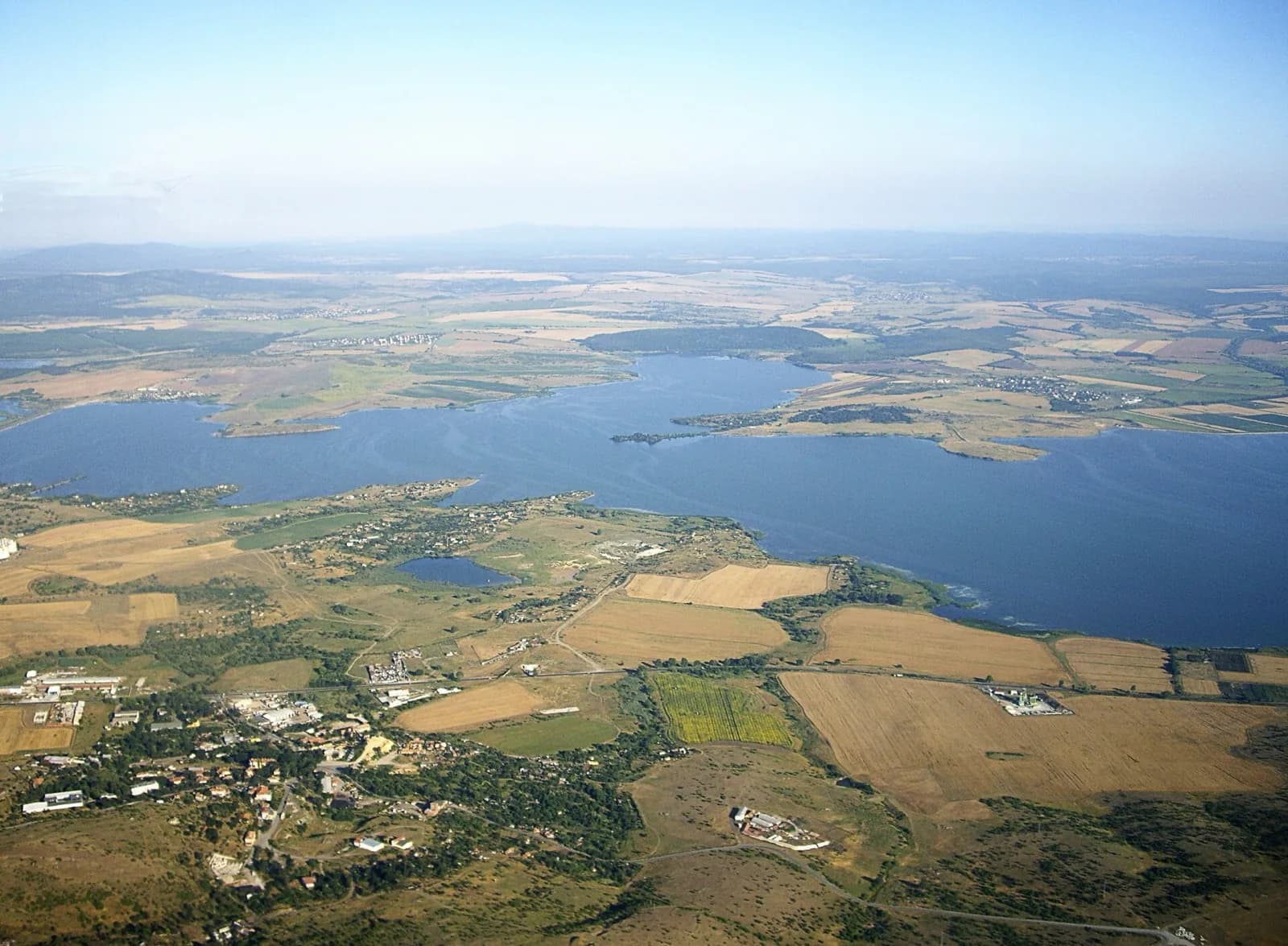 Nature & Birdwatching
Lake Mandra: Burgas’s Southern Wetland
South of Burgas, Mandra, turned into a fresh-water reservoir by the dam built in 1963, is the southernmost and largest of the Burgas lakes cluster.
12 August 2026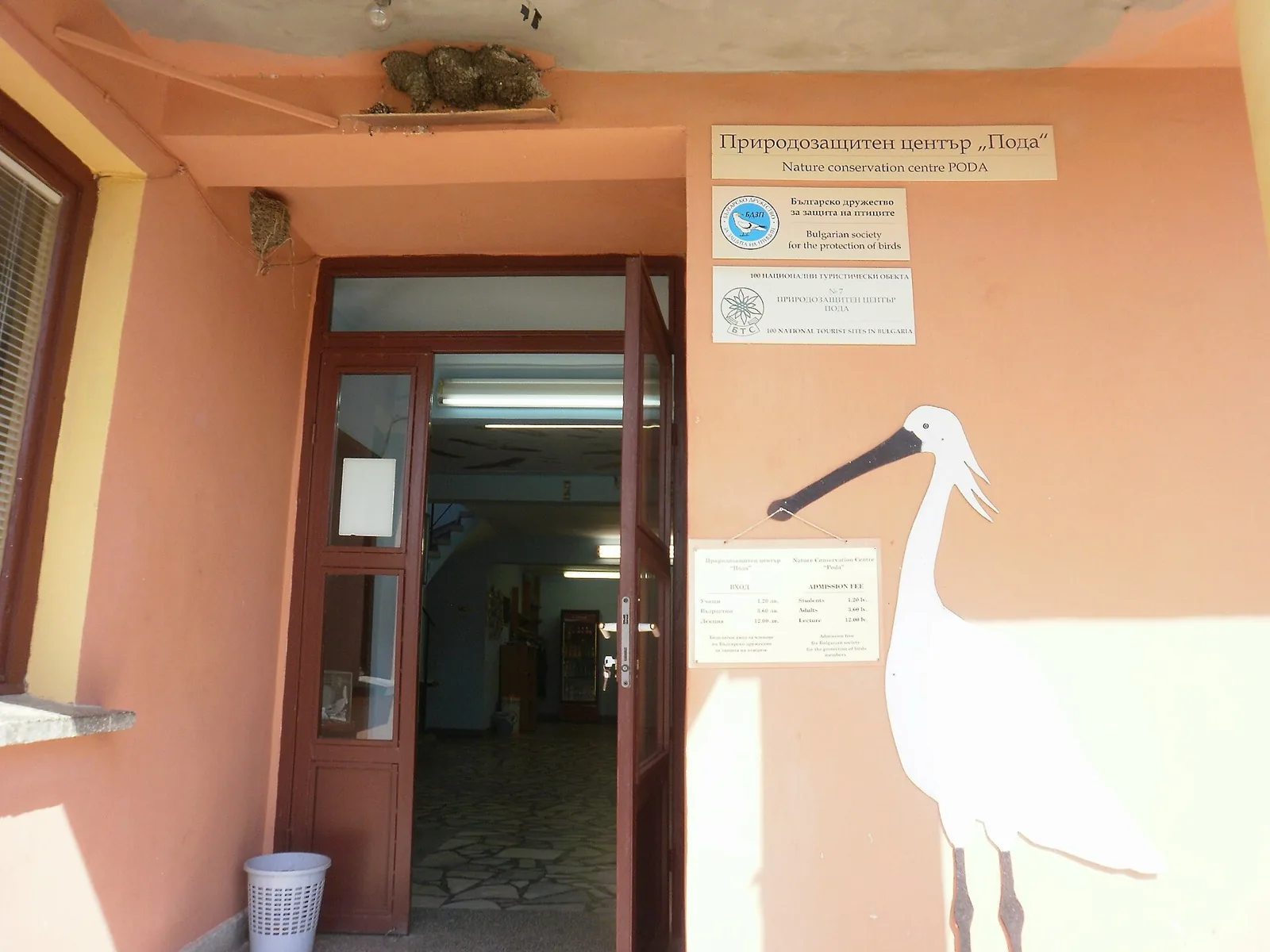 Nature & Birdwatching
Poda Nature Conservation Centre: A Hub for Birdwatching
Poda, on the southeast coast of Burgas, is promoted as one of the Black Sea’s important birdwatching spots despite being a small wetland; the area is managed by the Bulgarian Society for the Protection of Birds (BSPB).
12 August 2026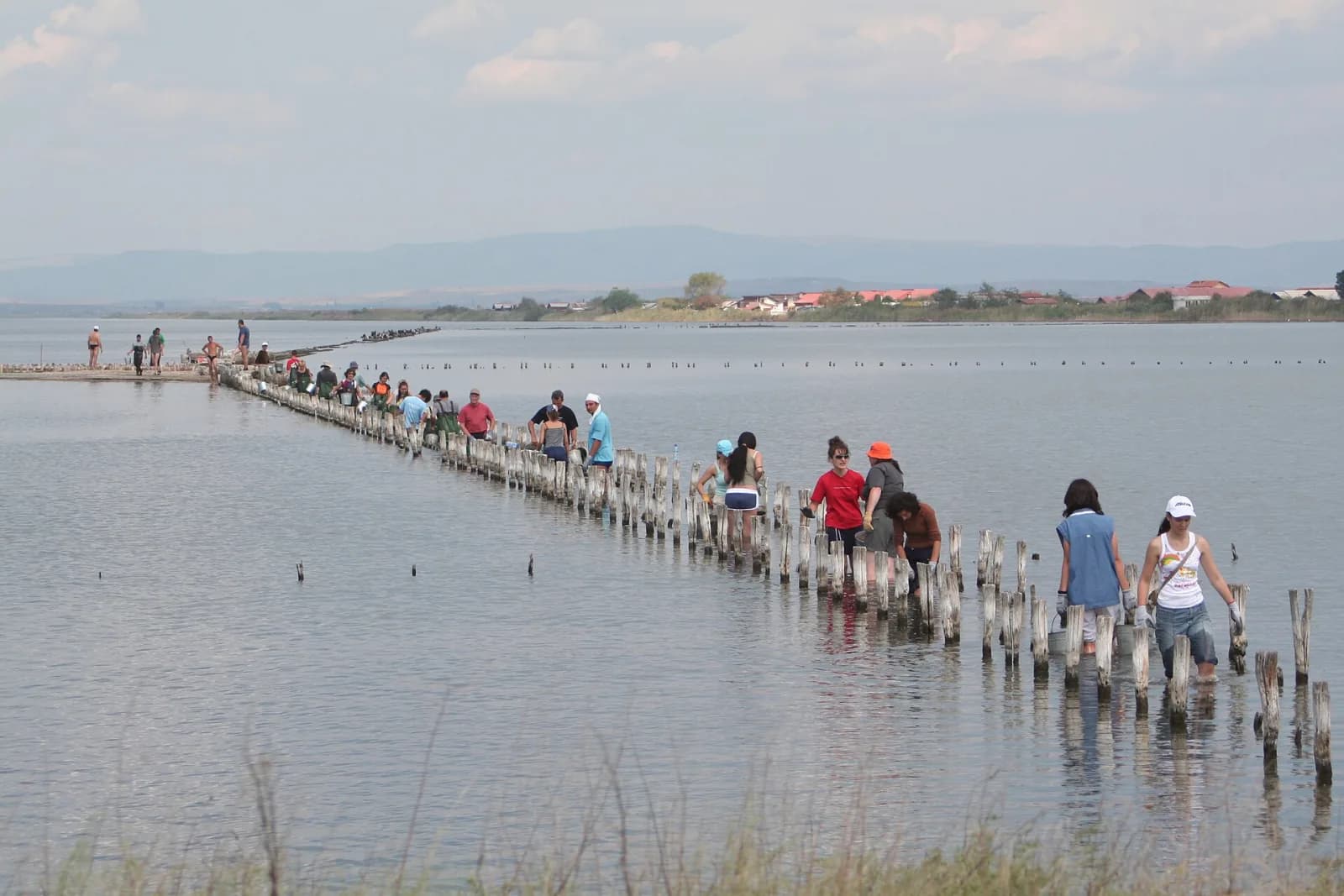 Nature & Birdwatching
Lake Pomorie: Salt, Mud and Birds
A salty lagoon north of Pomorie: a protected wetland where the solar salt pans still operate and which is a stopover on the Via Pontica bird migration route.
12 August 2026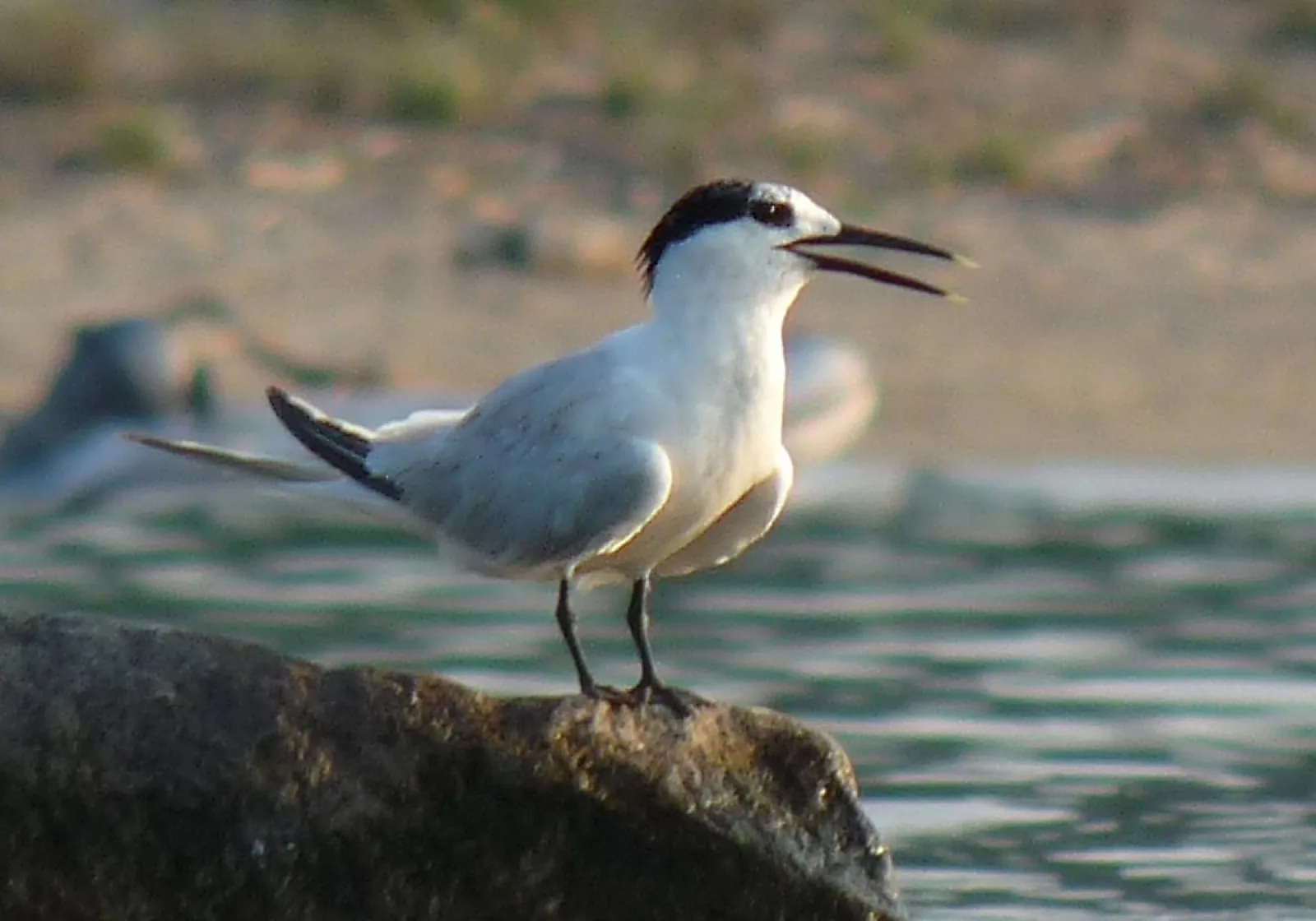 Nature & Birdwatching
Ropotamo: The Reserve Where the River Meets the Sea
Ropotamo, the reserve near Primorsko: a river mouth, the Arkutino marsh and a floodplain forest, a protected area with a strict regime.
12 August 2026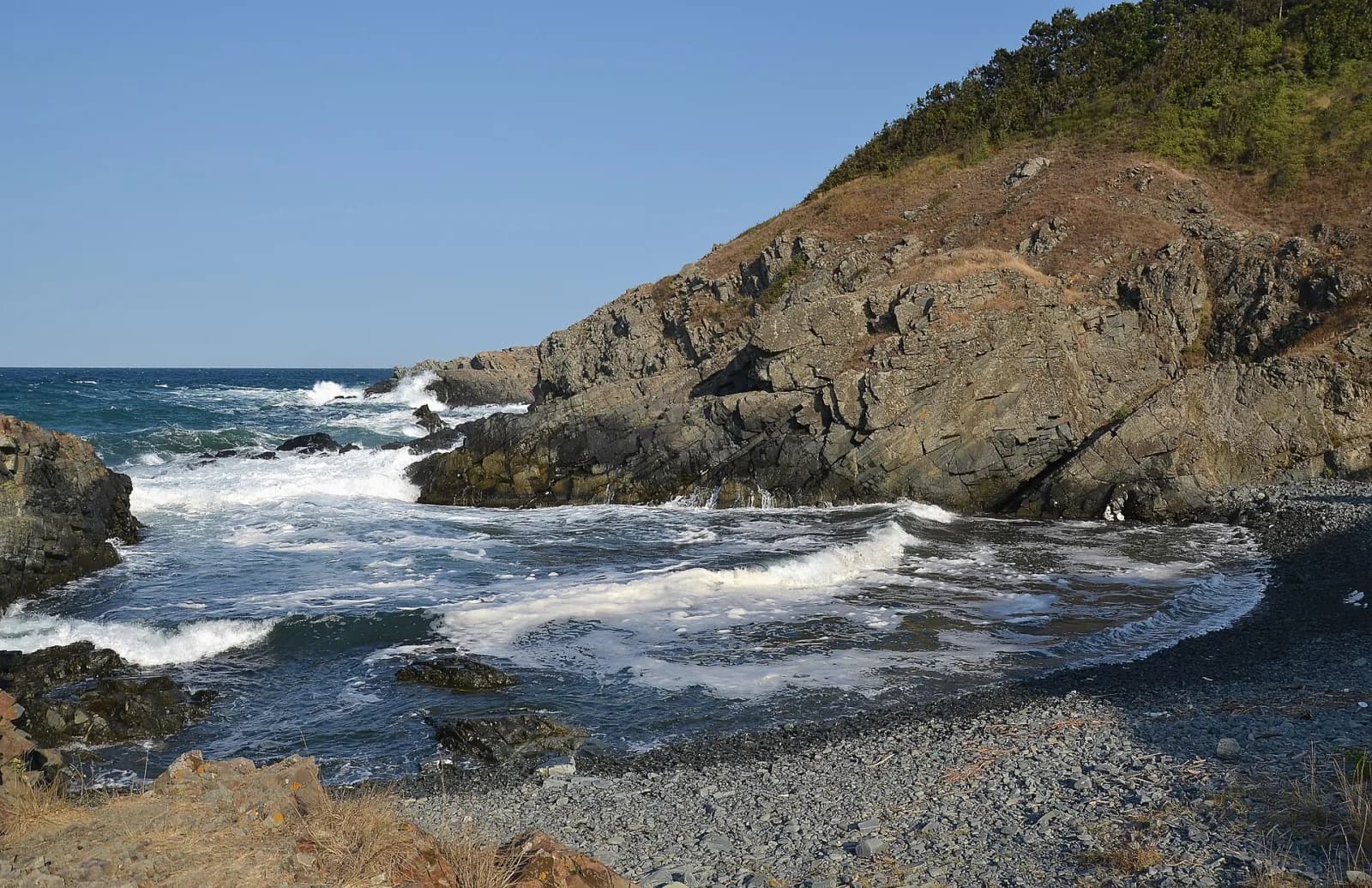 Nature & Birdwatching
Silistar: The Protected Beach of the Southern Coast
Between Sinemorets and Rezovo, where the Silistar River flows into the sea, a protected area within Strandzha Nature Park; part of the Natura 2000 network.
12 August 2026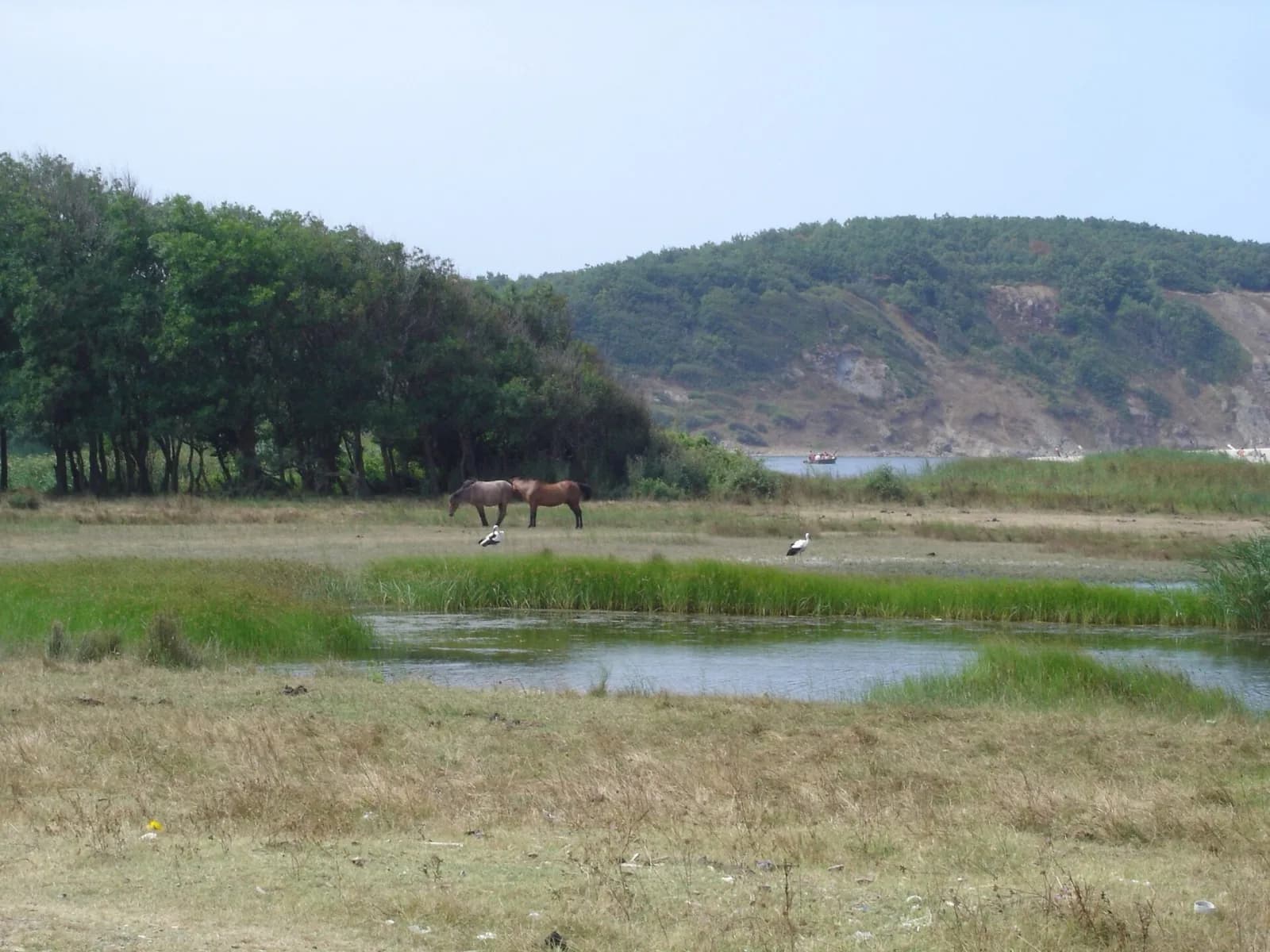 Nature & Birdwatching
Strandzha Nature Park: Bulgaria’s Largest Protected Area
Bulgaria's largest protected area: the 1,161 km² Strandzha Nature Park is known for its forests and the nestinarstvo tradition.
12 August 2026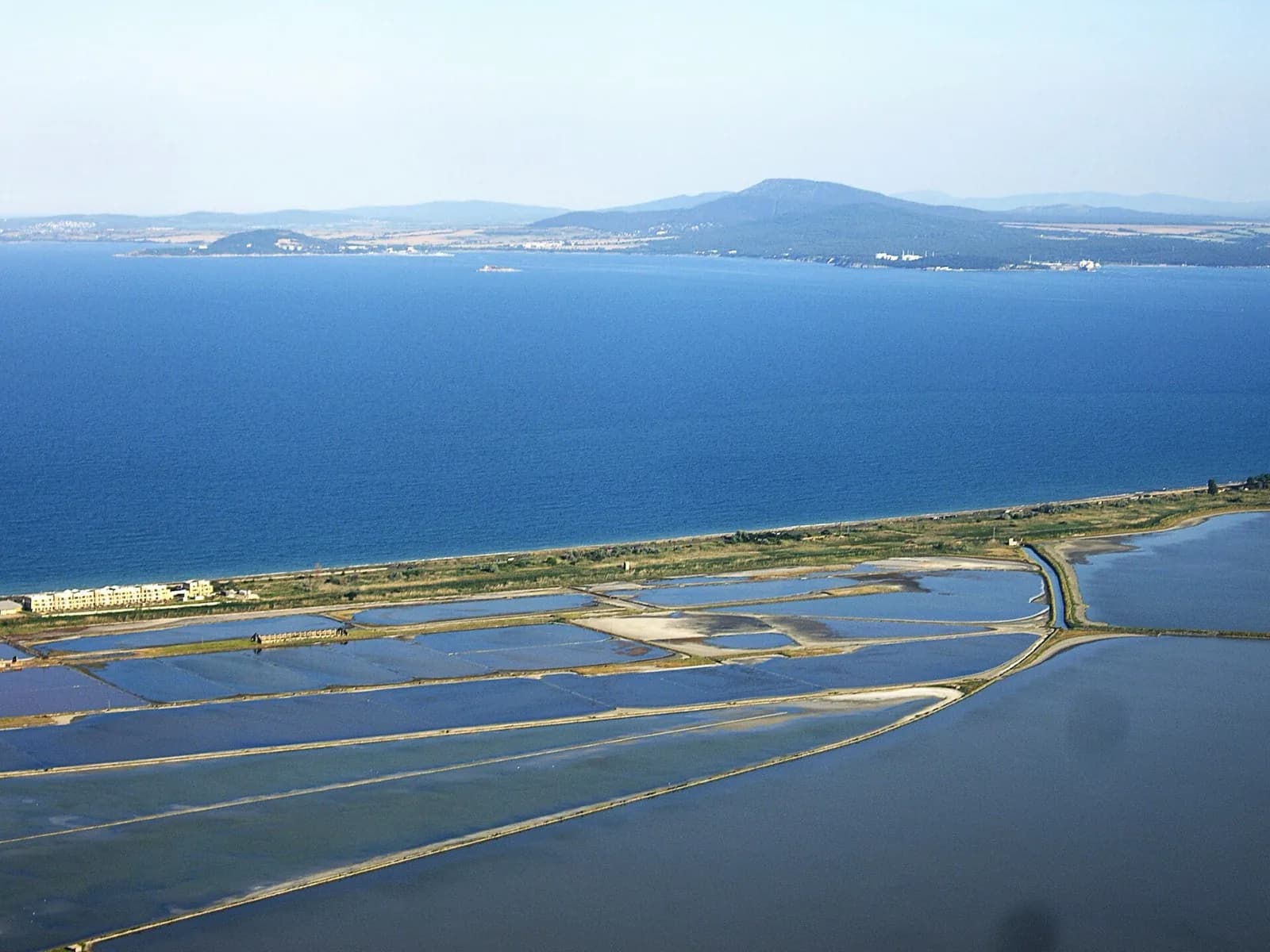 Nature & Birdwatching
The Salt Pans: How Salt Is Obtained from the Sea
Salt production at Lake Atanasovsko has continued since 1906; the shallow pans fed by sea water are both an industrial tradition and the living environment of one of Bulgaria’s richest bird areas.
12 August 2026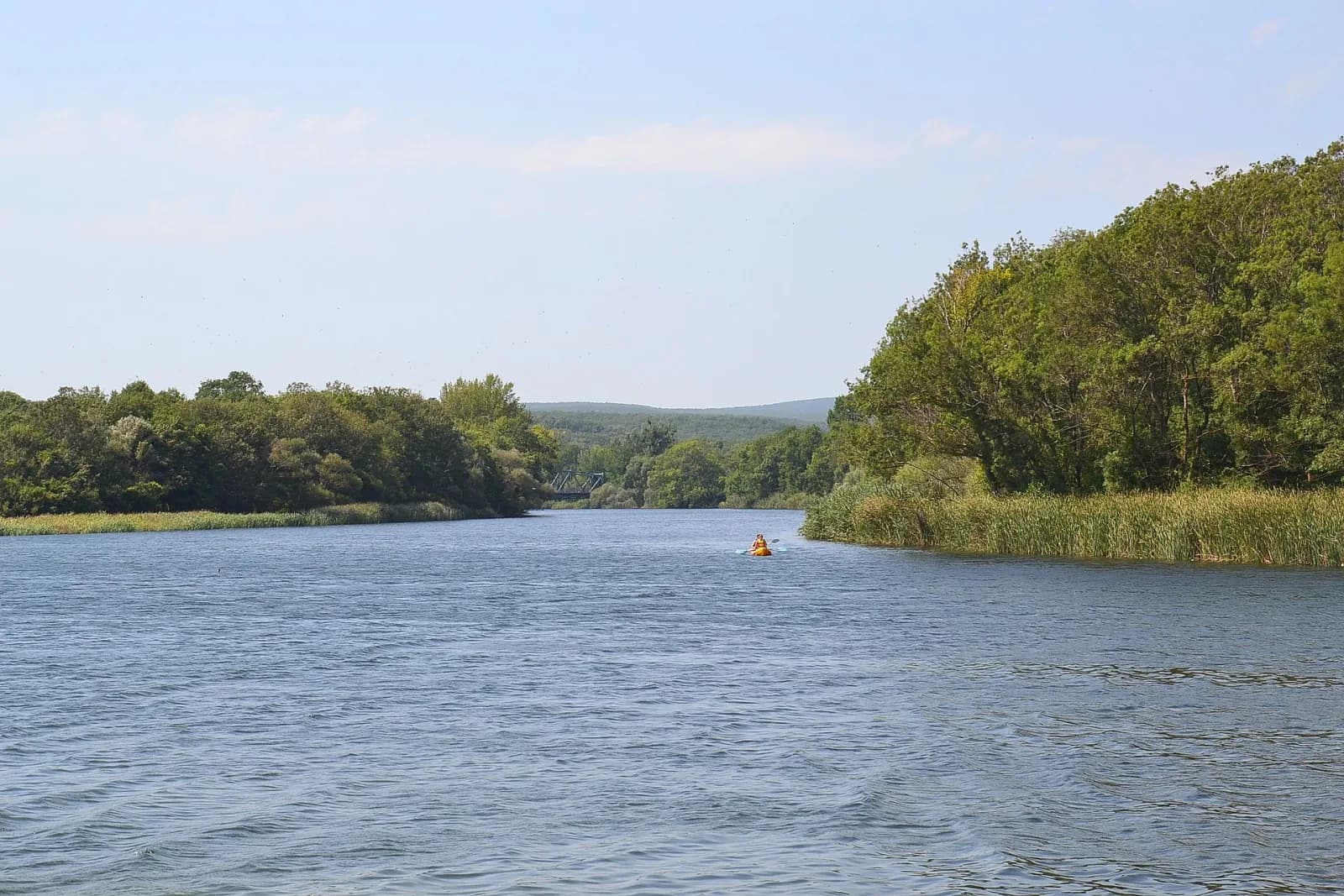 Nature & Birdwatching
The Veleka River: The Green Artery of Strandzha
The Veleka, rising in Türkiye and reaching the Black Sea at Sinemorets, is at 147 km the longest watercourse of Strandzha; its mouth is also a protected area.
12 August 2026Nature & BirdwatchingVia Pontica: Burgas Stop on the Stork Migration
Via Pontica, Europe's second-largest bird migration route, passes over the Burgas lakes; soaring storks and birds of prey cannot cross the sea and follow the coast, so at the Poda and Atanasovsko observation points they pass right over your head in late summer.
12 August 2026