Burgas Season by Season: What to Do and When
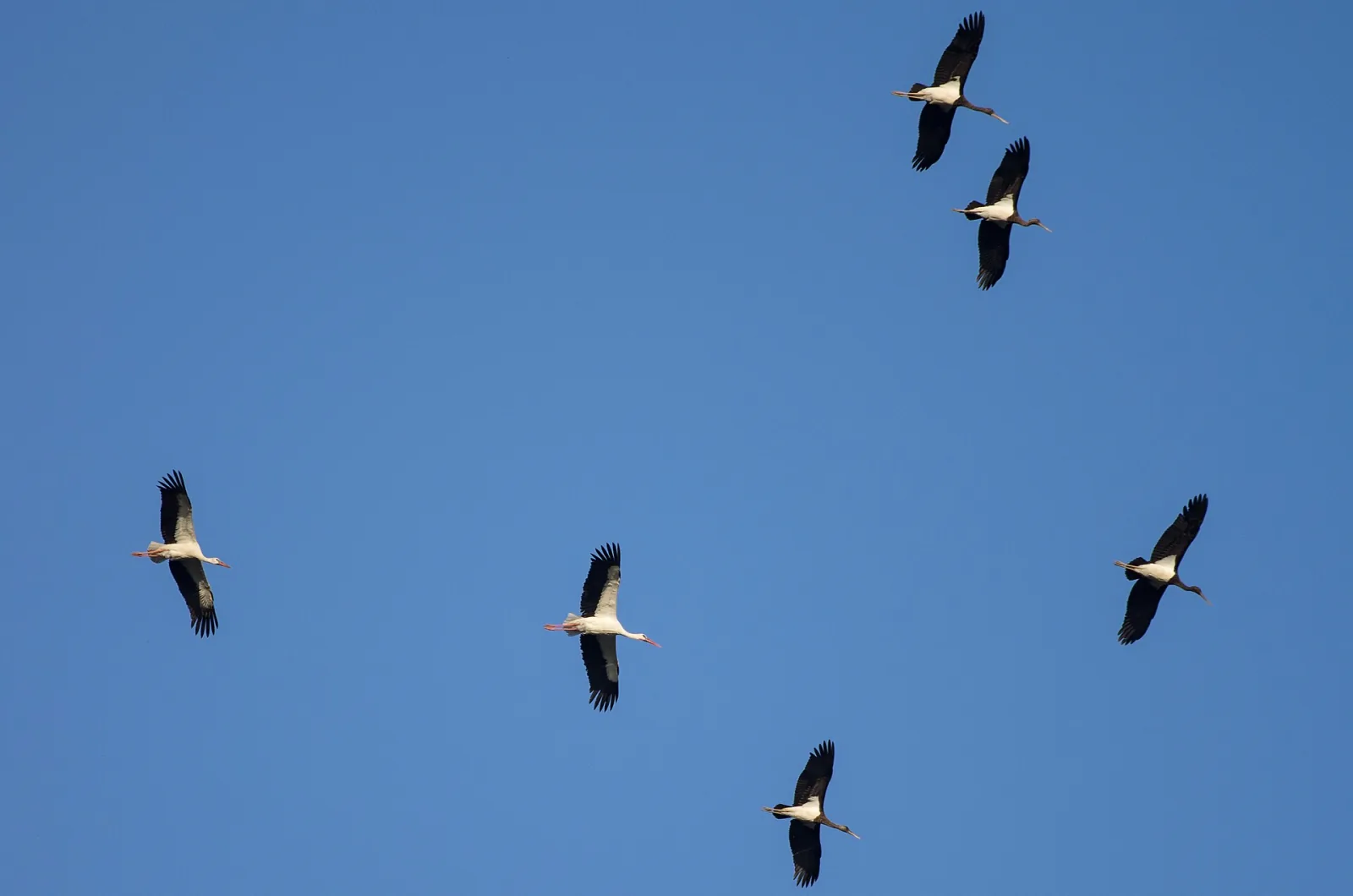
Photo: Hobbyfotowiki / CC0 (kamu malı) — Wikimedia Commons
Bird migration in spring and autumn, the sea in summer, a quiet coast in winter: a general framework for reading Burgas by the rhythm of the seasons rather than the calendar.
Burgas's rhythm is set less by the calendar than by water and birds: the sea in summer, the sky in spring and autumn, a calmer coast in winter. When choosing a season, the question “what is done in that season” is more useful than “when to go”. This summary gives no dates or programmes; it rests only on general facts verified in institutional sources.
Spring and Autumn: The Migration Seasons
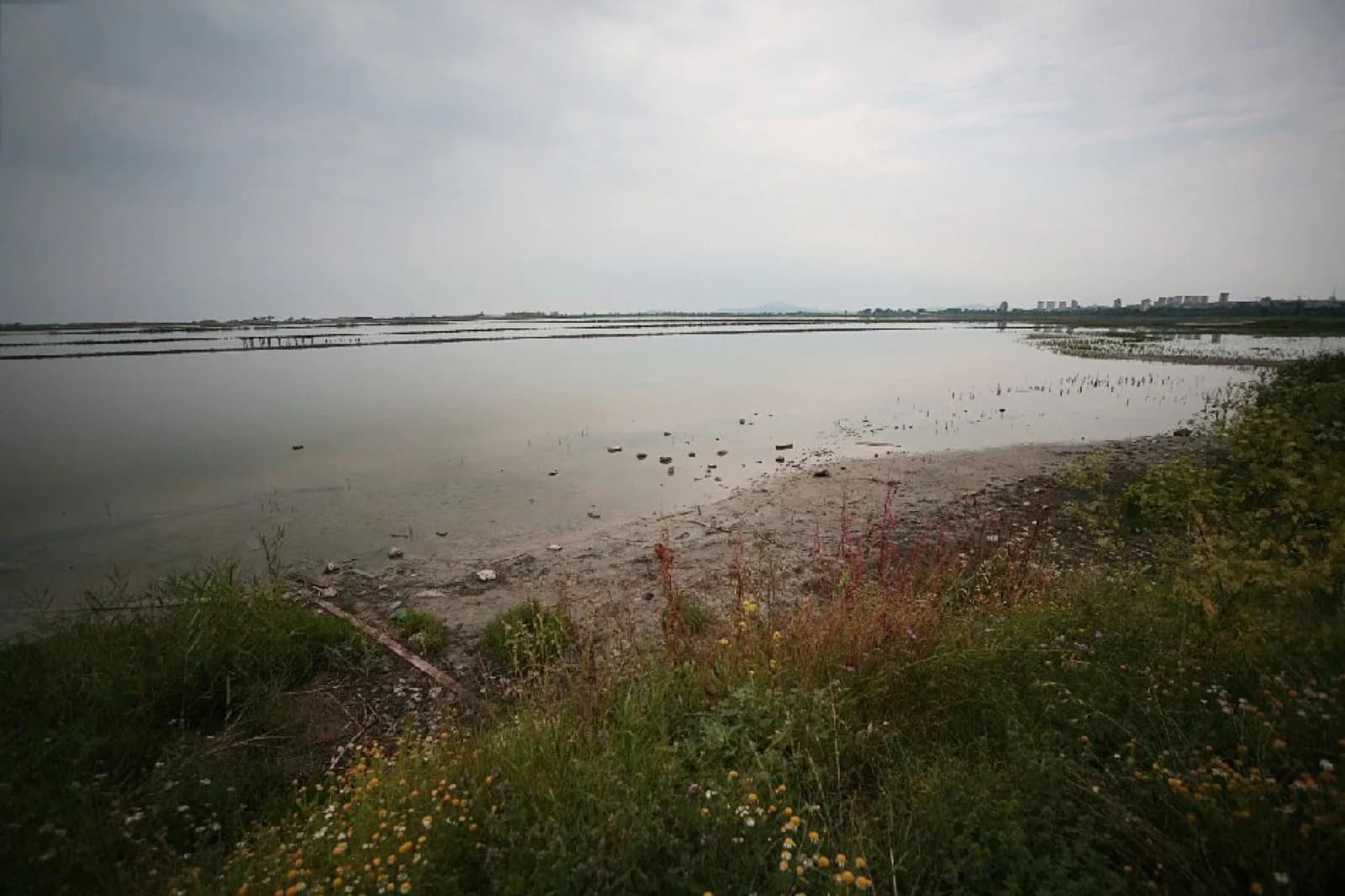
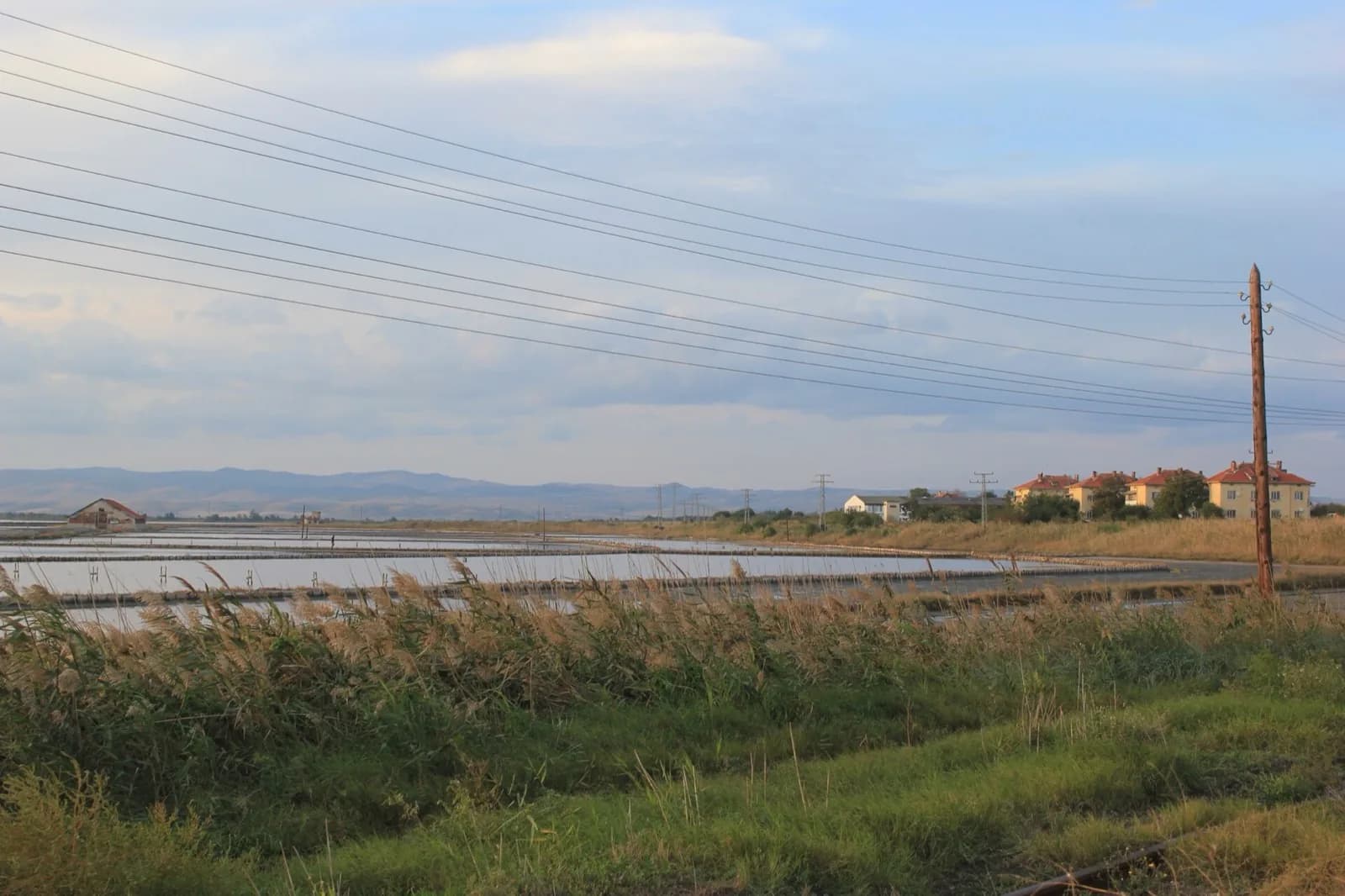
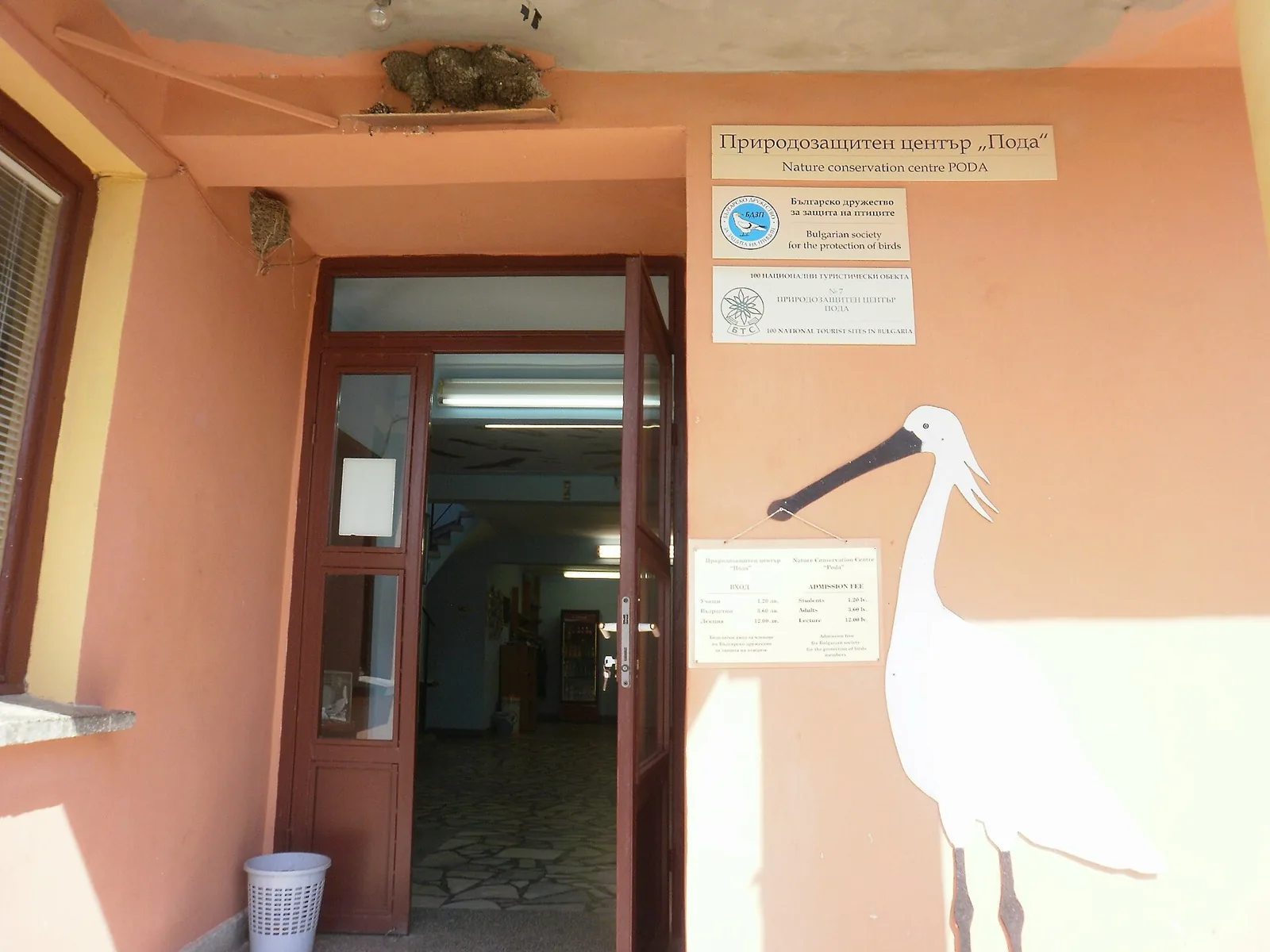
According to the website of the Strandzha Nature Park management, Via Pontica is Europe's second-largest bird migration route and brings together flocks from Northern and Eastern Europe and Western Siberia. The migration front narrows to a few kilometres over Strandzha; the same page writes that on the busiest days up to forty thousand white storks and about two thousand pelicans can be seen in a single day. The Burgas lakes lie on this route. According to Wikipedia, the number of birds at Lake Atanasovsko reaches its highest level in the autumn migration. BSPB, for its part, presents Poda as a place where 321 bird species have been recorded in a small area. Spring and autumn are therefore the natural observation periods around the lakes.
Summer: The Sea Season
According to English Wikipedia, summer in Burgas lasts about five months from mid-May to the end of September; the average temperature in the high season is about 24 °C and the summer sea temperature averages about 26 °C. According to the same source, winters are mild compared with the interior.
Winter: A Quiet Coast and Indoor Venues
Out of season, activity in the coastal towns decreases; this suits those who want a calm seafront walk. According to the Strandzha park management, the coastal strip is both a resting and a wintering area for some rare migratory birds: the red-breasted goose, the European shag, the pygmy cormorant and the night heron are counted among them. The Burgas Regional Historical Museum also mentions on its page that exhibitions change throughout the year; there are indoor options for cold and rainy days.
- Spring and autumn: take binoculars and clothing suited to the wind, and go to the lakeshore in the early part of the morning.
- Summer: plan shade and water to protect yourself from the sun, and swim only in sections with lifeguards.
- Winter: some businesses on the coast may be closed; check which are open before setting out.
- Every season: do not leave the marked path in protected areas; the Strandzha park management also asks you to stay on the path and not pick wild flowers.
Related articles: Via Pontica: Burgas Stop on the Stork Migration; Lake Atanasovsko: Land of Flamingos and Salt; Poda Nature Conservation Centre: A Hub for Birdwatching; Strandzha Nature Park: Bulgaria's Largest Protected Area.
Source: Strandzha Nature Park Directorate, Seaside, https://www.strandja.bg/en/info/36-kraibrejie-en; Strandzha Nature Park Directorate, Rules of conduct, https://www.strandja.bg/en/info/56-pravila-za-povedenie-v-priroden-park-en; BSPB Poda page, https://www.bspb.org/poda; Burgas Regional Historical Museum, https://www.burgasmuseums.bg/; Wikipedia, Lake Atanasovsko article (cross-checking); Wikipedia (en), Burgas article (climate) (accessed: 2026-10-05).
Text licence: The text of this article has been adapted into English from information taken from Wikipedia (CC BY-SA 4.0); it has been summarised and rewritten, i.e. MODIFIED. Under the same licence condition (share-alike), this article is also offered under the CC BY-SA 4.0 licence: https://creativecommons.org/licenses/by-sa/4.0/deed.en. The source pages are listed in the "Source:" line above.